 International
  Kenya
Kenya  South Africa
  Australia
  New Zealand
  China
China  Hong Kong
  Japan
Japan  Macau
Macau  Mongolia
  South Korea
  Taiwan
  Austria
  Belgium
  Czech Republic
  Denmark
  France
  Germany
  Ireland
  Italy
Italy  Netherlands
  Norway
  Poland
  Spain
Spain  Sweden
  Switzerland
  Turkey
  United Kingdom
  Saudi Arabia
  United Arab Emirates
  Canada
  Mexico
  United States
  Bangladesh
  India
India  Sri Lanka
  Cambodia
  Indonesia
  Malaysia
  Philippines
  Singapore
  Thailand
  Vietnam


Why Greece Attracts Expats
Greece draws expats with its stunning Mediterranean coastlines, mild climate, and affordable lifestyle that stretches savings further than in many Western countries. The country’s rich history, vibrant culture, fresh cuisine, and welcoming communities make it ideal for remote workers, retirees, and families seeking balance. Tax incentives like the non-dom regime and digital nomad visa further sweeten the deal for newcomers.
The country’s famed hospitality, combined with its improving economic landscape and modernising digital infrastructure, makes it an attractive choice for professionals, retirees, and remote workers looking for a fresh start. Overall, Greece combines a safe, community-focused society with excellent opportunities for a relaxed yet enriching lifestyle, making it a compelling choice for expats planning a new life abroad.
Visas and Residency options for Moving to Greece
The visa application process for moving to Greece depends heavily on your nationality, employment status, and long-term goals.
While EU/EEA citizens enjoy freedom of movement and only need to register for a residence certificate if staying longer than three months, non-EU citizens have several distinct pathways:
- National Visa (Type D): The standard long-stay visa required before entering Greece to apply for a residence permit.
- Digital Nomad Visa: A rapidly growing trend for modern relocations, this visa is ideal for remote workers. It requires proof of stable remote employment and a minimum monthly income of €3,500 (plus 20% for a spouse and 15% per child).
- Greece Golden Visa: One of the most popular residency-by-investment programs in Europe. It requires a minimum real estate investment ranging from €250,000 to €800,000, depending on the region (higher thresholds apply in highly sought-after areas like central Athens, Mykonos, and Santorini).
- Employment Visa: Requires a formal job offer from a Greek employer who must prove the position could not be filled by a local or EU citizen.
Once you identify the appropriate visa or residency pathway, the process typically involves preparing the necessary documentation, such as a clean criminal record certificate, proof of accommodation in Greece, and evidence of sufficient financial means.
You will then submit your application through the Greek embassy or consulate in your home country. After arriving in Greece, you will usually need to attend an appointment with the relevant Greek immigration authorities to complete the formalities and obtain your official residence permit.
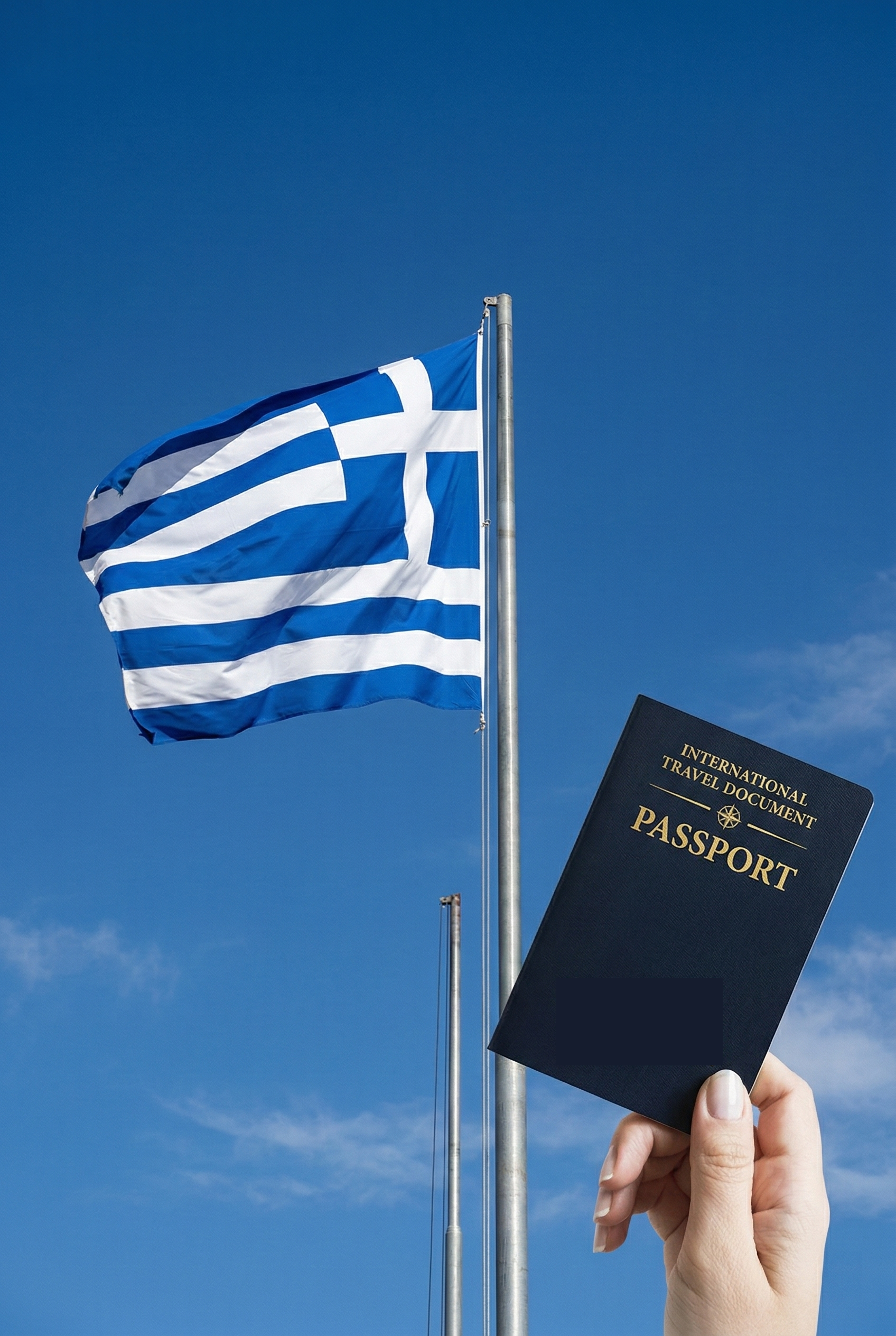
Upon entering Greece with the Type D visa, you must visit the local Aliens and Immigration Department (under the Decentralized Administration or Ministry of Migration) within a set timeframe, often 1–2 months to apply for the actual residence permit card.
Cost of Living in Greece
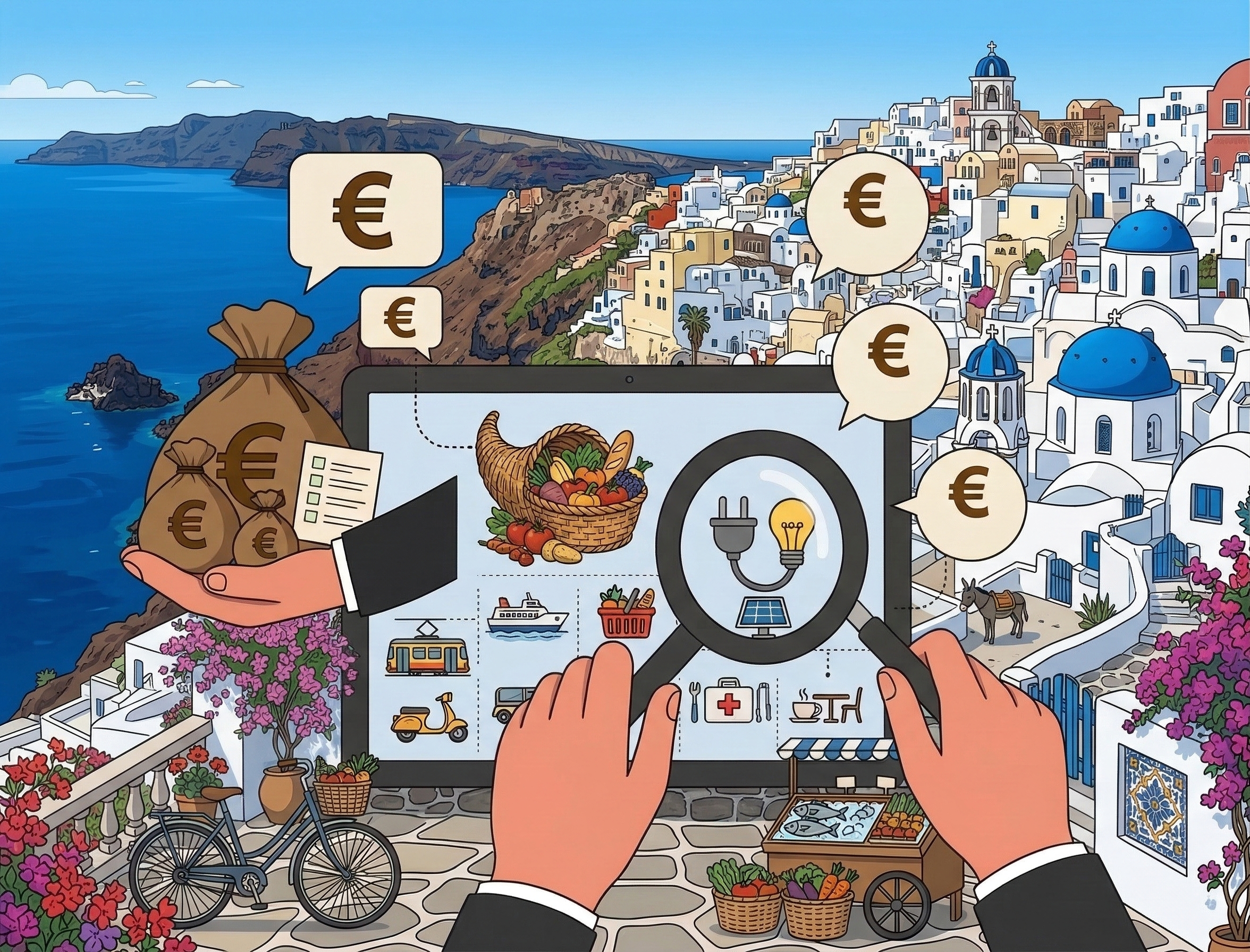
The cost of living in Greece is generally considered more affordable than in many parts of Western Europe, though expenses can vary depending on your lifestyle and whether you live in a major city or a smaller town or island.
Food and groceries are relatively reasonable. A single person might spend around €200–€300 per month on groceries, depending on shopping habits and preference for local markets or imported goods. Dining out is an important part of Greek culture and can be quite affordable, especially at traditional tavernas, where a casual meal may cost between €10–€15.
Transportation costs are also manageable. In cities such as Athens or Thessaloniki, a monthly public transportation pass typically costs around €25–€35. Utilities—including electricity, water, heating, and basic services—generally range from €100–€150 per month, while high-speed internet and a mobile phone plan may add another €40–€60 monthly.
Accommodation is usually the largest expense. Renting a one-bedroom apartment in central Athens can range from about €700–€1,100 per month, while properties outside the city center or in smaller cities may range between €450–€700.
Overall, a single expat might expect total monthly living costs (including rent) to fall between €1,200 and €2,000, with families requiring more depending on housing size, schooling, and lifestyle choices.

Housing Cost
Rent is usually the largest expense but remains highly competitive. A one-bedroom apartment in a city center (like Athens) typically costs between €450 and €750, while a three-bedroom family home ranges from €800 to €1,400. Prices on premium islands will be substantially higher.

Food and Groceries
A single person can expect to spend around €200–€300 per month on groceries. Shopping at local street markets (laiki agora) for fresh produce can reduce this cost while providing high-quality Mediterranean ingredients. Eating out is relatively affordable, with a meal at a traditional taverna costing around €12–€18.

Transportation
Public transport is well-developed in Athens, where a monthly pass costs about €30. In rural areas or on the islands, owning or leasing a car is usually necessary.

Utilities
Basic utilities (electricity, heating, cooling, water, and garbage) for a standard 85m² apartment average between €150 and €200 per month. High-speed broadband internet adds approximately €30–€40 to your monthly budget.
Accommodation and housing in Greece
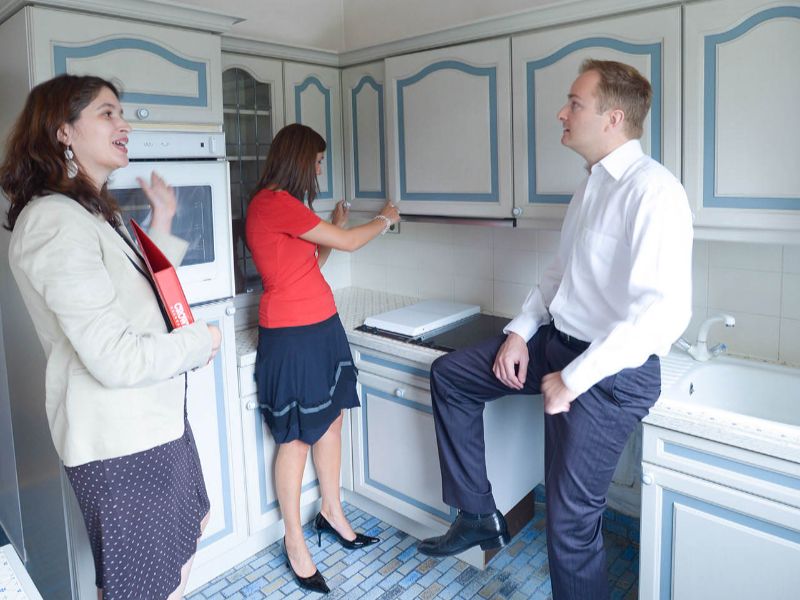
Whether renting or buying, the Greek property market offers diverse options, from modern city apartments to traditional stone villas. Most expats choose to rent initially to get a feel for different neighborhoods.
Leases in Greece are legally binding for a minimum of three years, even if the written contract states a shorter term, providing excellent security for tenants. Unfurnished apartments are the norm, and they often do not include white goods (refrigerators, washing machines) or light fixtures.
When searching for a home, working with a reputable real estate agent or a dedicated home search service is recommended to navigate language barriers and ensure all legal documentation is accurate.
Renting vs. Buying
Rental prices differ substantially between central Athens, smaller cities, and tourist‑heavy islands. As a rough guide:
- Athens city center: One‑bedroom apartments often range from about €400–€800 per month depending on location, size, and condition.
- Thessaloniki city center: Similar but slightly lower ranges, roughly €350–€700 for a one‑bedroom.
- Smaller cities and towns: You may find rents under €400 for modest apartments, particularly outside tourist hot spots.
Landlords usually request a security deposit (often one or two months’ rent) and may ask for proof of income or a Greek tax number for formal contracts. Leases are commonly signed for at least one year, so shorter fixed terms can be harder to negotiate outside of the seasonal furnished market.
Many expats eventually consider purchasing property, particularly if they plan to stay long term or wish to qualify for investment‑linked residency options. Real estate prices in Greece remain relatively competitive compared with other Mediterranean destinations, though prime neighborhoods and popular islands command higher prices.
If you buy, you will need to obtain a Greek tax number, hire a local lawyer and notary, and conduct due diligence on titles and zoning before completing the transaction. Property ownership may also factor into your tax residency status and eligibility for special tax regimes, which makes professional advice crucial.
What are the best neighbourhoods to live in Greece for expats?
The best neighborhoods for expats in Greece depend on your priorities like budget, family needs, nightlife, or beach access, with Athens suburbs and coastal spots leading for long-term living. Popular choices cluster around Athens, Thessaloniki, and select islands or mainland towns favored for expat communities, infrastructure, and amenities.
| Neighbourhood | The Attractions |
|---|---|
| Athens & The Riviera (Kolonaki, Glyfada, Koukaki) | Vibrant, historic, and cosmopolitan. The beating heart of Greece's business and cultural scene, offering upscale coastal living, world-class marinas, and top international schools. |
| Thessaloniki | A dynamic cultural hub with seaside charm, a renowned culinary scene, and a more relaxed, authentic pace than the capital. |
| Crete (Chania, Heraklion) | Sun-soaked paradise with year-round warmth, stunning coastlines, a lower cost of living, and a highly established English-speaking expat community. |
| Corfu & The Ionian Islands | Lush, green landscapes with Venetian architecture, resort-style living, and a long-standing welcoming atmosphere for international residents. |
| The Peloponnese (Nafplio, Kalamata) | Deeply historical and authentic. Incredible value for money, peaceful, and surrounded by ancient ruins, olive groves, and beautiful coastlines. |
Education System in Greece for Families with Kids

Expats moving to Greece have several education options for their children, depending on their preferences and long-term plans. One of the most common choices is the public school system, which is free for residents and provides education primarily in Greek.
International and private schools
In major cities such as Athens and Thessaloniki, families can choose from a range of international schools that follow curricula like the International Baccalaureate, British, or American systems. These schools usually teach primarily in English or other major languages and may better support children who are not yet fluent in Greek.
International schools charge tuition, which can be substantial, so you should factor annual fees into your relocation budget if you take this route. An example approach is to enroll younger children in international school initially, then gradually transition them into the Greek system as their language skills and comfort grow.
Structure of the Greek education system
Children start with two years of compulsory kindergarten (Nipiagogeio) at age four, followed by six years of primary school (Dimotiko)
Gymnasio covers ages 12–15 and completes compulsory education with a broad academic curriculum.
Lykeio runs from 15–18 and is optional, offering academic or vocational tracks and preparing students for university entrance exams.
Greece has public universities as well as accredited private campuses, many of which are highly regarded regionally.
Most expats opt for international schools, which are primarily located in Athens and Thessaloniki. These institutions offer global curricula such as the International Baccalaureate (IB), British A-Levels, or American High School Diplomas. Tuition fees generally range from €7,000 to €13,000 per year.
Healthcare system for expat moving to Greece
Greece features a mixed healthcare system, combining a national health service (ESY) with private healthcare providers.
Once you are employed or registered as a resident and paying social security contributions (EFKA), you and your dependents are entitled to free or heavily subsidized public healthcare. Public hospitals provide highly competent medical care, but they can suffer from long waiting times, understaffing, and bureaucratic hurdles.
Because of this, the vast majority of expats choose to invest in comprehensive private health insurance. Private healthcare in Greece is of an exceptionally high standard, featuring modern facilities and English-speaking medical professionals. Private insurance ensures quicker access to specialists and greater comfort, with premiums varying based on age and coverage levels.
Understanding how the system works will help you plan for everyday care as well as emergencies.
The Greek National Healthcare System, known as ESY, provides universal coverage for citizens and legal residents. Public hospitals and clinics deliver primary, secondary, and tertiary care, with costs largely covered by the state for those properly registered.
To access public healthcare, residents usually need to be registered with the national health insurance organization (EOPYY) and obtain a national insurance number (AMKA). Certain expats, including EU citizens and those with recognized contributions or citizenship links, can join the public system and receive care for free or at low cost.
Many expats choose to supplement or rely primarily on private healthcare, especially in urban centers where private clinics often offer shorter wait times and broader language support. International health insurers and local providers offer a range of policies, from basic hospitalization coverage to comprehensive plans that include outpatient visits, dental, and evacuation.
Typical monthly premiums for private insurance vary widely based on age and coverage, but expats often budget around €50–€145 per person for decent coverage and co‑pays. Some visa categories, such as the Digital Nomad Visa and certain retirement permits, require proof of private health insurance as a condition of approval.
The public ESY system covers core medical needs but often limits full access to dental, vision, and specialized treatments, leading many expats and residents to opt for private insurance for quicker service and wider options.
Urban hubs like Athens and Thessaloniki boast strong facilities and specialists, unlike smaller towns or islands where advanced care may require city travel.
Visa applicants, including digital nomads and retirees, must provide private health insurance proof until registering for public coverage, while coordinating home-country plans or agreements helps bridge any relocation gaps.

Taxes Implication in Greece for Foreigners
Cultural Differences to be Aware of When Moving to Greece

Integrating into Greek society requires an understanding of its unique cultural nuances. The cornerstone of Greek culture is philoxenia, which translates to “friend to the stranger.” Greeks are incredibly hospitable, warm, and community-oriented.
Pace of Life: Embrace the concept of siga-siga (slowly, slowly). The pace of life, especially outside the bustling center of Athens, is relaxed. Punctuality is more flexible in social settings, and bureaucratic processes often require a great deal of patience.
Communication: Greeks are passionate and often speak loudly with animated hand gestures. This is a sign of active engagement, not anger. Personal relationships and face-to-face interactions are highly valued in both business and daily life.
Work-Life Balance: Family and social life take absolute precedence. Long lunches, late dinners (often starting after 9:00 PM), and afternoon quiet hours (where loud noises are legally restricted between 3:00 PM and 5:30 PM) are standard, respected parts of the lifestyle.
Language: While English is widely spoken in tourist areas and among the younger generation, learning basic Greek phrases will earn you immense respect and significantly smooth your daily integration.
Spitting for Good Luck: You may hear a light “ftou, ftou” sound used to ward off bad luck, especially after compliments. It’s symbolic, not literal, and reflects a cultural gesture of protection and goodwill.
Conclusion
Moving to Greece offers an exciting opportunity to experience a high quality of life, a rich cultural heritage, and stunning natural surroundings. While the visa processes, tax regulations, and the relaxed pace of local bureaucracy may initially seem complex, thorough preparation can ease your transition. Choosing the right accommodation, understanding the healthcare system, and fully embracing Greece’s warm, hospitable culture will help you settle comfortably.
Utilising professional international moving services can dramatically simplify your relocation by handling complex logistics, secure storage, home searches, and settling-in support from start to finish. By being aware of the cultural nuances and planning your legal and financial steps carefully, you can make the most of Greece’s welcoming environment. With the right approach and expert guidance, your move to Greece can be a rewarding and enriching new chapter in your life.

No One Knows Better Than Us.
Get moving with our free moving quote form and let us take care of the rest!
