 International
  Kenya
Kenya  South Africa
  Australia
  New Zealand
  China
China  Hong Kong
  Japan
Japan  Macau
Macau  Mongolia
  South Korea
  Taiwan
  Austria
  Belgium
  Czech Republic
  Denmark
  France
  Germany
  Ireland
  Italy
Italy  Netherlands
  Norway
  Poland
  Spain
Spain  Sweden
  Switzerland
  Turkey
  United Kingdom
  Saudi Arabia
  United Arab Emirates
  Canada
  Mexico
  United States
  Bangladesh
  India
India  Sri Lanka
  Cambodia
  Indonesia
  Malaysia
  Philippines
  Singapore
  Thailand
  Vietnam





Why Ireland Attracts Expats
Moving to Ireland is a dream for many people drawn by its strong economy, English-speaking environment, and high quality of life.
Ireland has become a major European hub for tech, finance, pharmaceuticals, and professional services, drawing skilled workers from around the world. Global companies like Google, Meta, Apple and Microsoft have large operations or European headquarters there, creating steady demand for international talent.
Overall, Ireland combines a warm, inclusive society with excellent career opportunities, making it a compelling choice for expats planning a new life overseas.
Visas and Immigration Routes When Moving to Ireland
Relocating to Ireland begins with understanding the visa and immigration pathways available to you.
Whether you are moving for employment, study, investment, or family reunification, Ireland offers a range of visa options designed to accommodate different circumstances.
From employment permits for skilled professionals to long-stay visas for retirees, entrepreneurs, and students, selecting the right route is a crucial first step in planning a smooth relocation.

EU/EEA and Swiss Citizens:
If you are a citizen of the EU, EEA, or Switzerland, you do not need a visa or employment permit to move to, live, or work in Ireland. You benefit from the freedom of movement, though you will need to prove you can support yourself financially if you intend to stay long-term.
Key long‑term routes for non‑EU/EEA expats include:
- Critical Skills Employment Permit: aimed at high‑demand occupations (like tech, engineering, healthcare) with salary thresholds around €44,000.
- General Employment Permit: for roles not on the critical list but meeting minimum salary and labour market test conditions.
- Long‑stay study visas allow you to enroll in degree programmes or certain language courses of at least 25 weeks, typically with limited work rights (often up to 20 hours per week during term and more during holidays).
- The Third Level Graduate Scheme (Stamp 1G) lets many graduates stay in Ireland after completing an Irish degree to seek work and transition into a work permit; durations can be up to 2 years for many postgraduates.
- Some non‑EU retirees or financially independent individuals may qualify if they can prove a stable income (for example, guide levels mentioned around €50,000 per person per year in some 2025 guidance), plus comprehensive private health insurance.
Regardless of your employment permit, all non-EU/EEA nationals intending to stay in Ireland for more than 90 days must register with immigration at their local Garda (police) station to obtain an IRP card.
Because requirements change frequently, you should always verify details on official Irish immigration websites before applying and before booking flights or accommodation.
Cost of Living in Ireland
The cost of living in Ireland is relatively high by European standards, particularly in Dublin and other major cities. However, many expats consider the country’s excellent quality of life, strong economy, and vibrant culture to be well worth the investment.
Groceries and dining options are plentiful, from premium supermarkets to a wide selection of restaurants and cafés. Lifestyle naturally plays a large role in spending habits, but a single professional may typically spend around €300 to €450 per month on groceries, while dining out often forms a regular part of social life.
Public transportation is reliable in major cities, with monthly travel passes in Dublin usually costing between €120 and €160. Utilities such as electricity, heating, water, and waste services generally range from €150 to €250 per month. Internet and mobile plans may add approximately €50 to €80.
Accommodation will likely represent the largest portion of your monthly budget. In Dublin, a well located one bedroom apartment commonly ranges from €1,800 to €2,500 per month, while cities such as Cork or Galway may offer slightly lower rental prices.
Overall, a single expat can expect monthly living costs including accommodation to range from approximately €2,500 to €3,500, depending on lifestyle and location.


Housing Cost
This will undoubtedly be your largest expense. In Dublin, a standard one-bedroom apartment in the city center can range from €1,800 to €2,500 per month, while a three-bedroom home for a family might cost €3,000 to €4,000+. Outside of Dublin, in cities like Cork, Galway, or Limerick, rents are lower, with a one-bedroom apartment averaging €1,300 to €1,600.

Food and Groceries
Expats can expect to spend around €300–€450 per month on groceries for one person. Dining out adds extra expense, with a standard meal at a mid-range restaurant costing about €20 to €35 per person.

Transportation
Public transport in Ireland includes buses, the DART (suburban railway in Dublin), and the Luas (tram). Expats should immediately get a "Leap Card," a prepaid smartcard that offers discounted fares. A monthly transport pass is roughly €100–€130. If you live outside a major city, owning a car is highly recommended, though petrol and car insurance can be expensive.

Utilities
Basic utilities (electricity, heating, water, and waste) average about €150–€250 per month, depending heavily on the energy efficiency of your home and the season. High-speed broadband internet adds roughly €40–€60 monthly.
Accommodation and Housing Market in Ireland
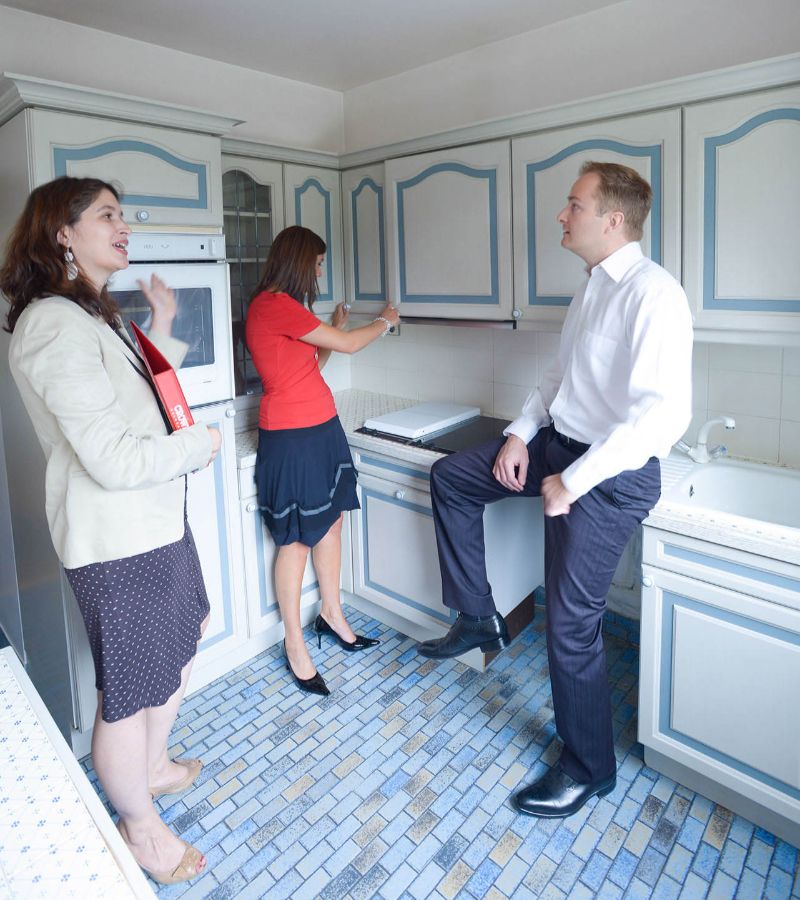
Securing a place to live is often the most challenging aspect of relocating to Ireland. The country, particularly in major hubs like Dublin, Cork, and Galway, is currently experiencing a highly competitive housing market with high demand and limited supply. Preparing in advance and understanding the rental process is essential for a smooth transition.
Most expats start with short‑term accommodation—such as serviced apartments, hostels, or Airbnb—for a few weeks while they search on the ground. Popular places to look for rentals include national platforms like Daft and Rent.ie, as well as local Facebook and expat groups.
When applying for rentals, agents and landlords often expect: references from previous landlords, proof of employment or income, ID documents, and in some cases proof of your right to reside in Ireland. A security deposit of one month’s rent plus the first month’s rent upfront is standard, though some may request more in competitive markets.
Housing quality can vary; some properties have older insulation and heating systems, leading to higher energy bills and colder winters. It’s wise to view properties in person where possible, check for damp, and ask about average utility costs before committing to a long‑term lease.
What are the best neighbourhoods to live in Ireland for expats?
Ireland offers a variety of attractive cities and regions for expats, each with its own character, lifestyle advantages, and professional opportunities. Your choice of location will often depend on factors such as career prospects, access to international schools, proximity to business hubs, and the type of lifestyle you are seeking.
| Neighbourhood | The Attractions |
|---|---|
| Dublin (South Dublin & Coastal Suburbs) | Vibrant, historic, and cosmopolitan. The beating heart of Ireland's tech and business scene. |
| Cork (Kinsale & City Centre) | A dynamic cultural hub with riverside charm, a thriving culinary scene, and a slightly slower pace than Dublin. |
| Wicklow (Greystones & Bray) | Known as the "Garden of Ireland." Luxurious, coastal, highly safe, and offering stunning nature with easy commuter access to the capital. |
| Galway (Salthill & City Centre) | The cultural heart of the Wild Atlantic Way. Bohemian, creative, and lively, with an established expat community and famous arts scene. |
| Limerick (Castletroy & Raheen) | Deeply historical with high student energy. Incredible value for money, peaceful, and surrounded by beautiful nature. |
Education System for Families and Students Moving to Ireland
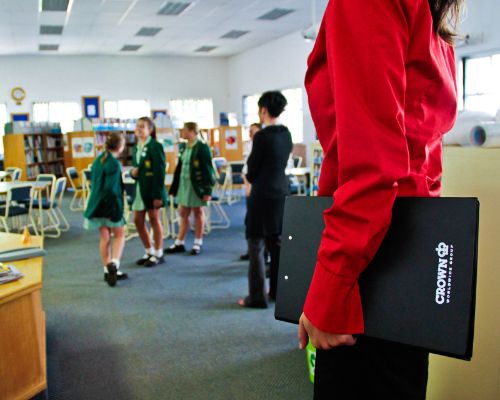
Expats moving to Ireland will find a strong and well regarded education system, with several schooling options available depending on their family’s preferences and long term plans. Many international families choose Ireland not only for its career opportunities but also for the quality of its schools and universities.
Education in Ireland is compulsory for children between the ages of 6 and 16, though most children begin primary school at around age 4 or 5. The system is divided into primary education and secondary education, which prepares students for the Leaving Certificate examinations, a key qualification for university entry. Public schools are state funded and widely respected, with English as the primary language of instruction.
For families seeking international continuity, Ireland also offers a number of well established international and private schools, particularly in Dublin and other major cities. These schools often provide globally recognised programmes such as the International Baccalaureate or the British curriculum, making them a popular choice for expatriate and globally mobile families.
Key features of schooling
Primary and secondary education in state schools is free, but there are still costs for uniforms, books, extra‑curricular activities, and voluntary fees.
Many schools are denominational (often Catholic) in origin but welcome students from all backgrounds; ethos and admissions policies vary, so it’s wise to research individual schools.
Competition for places can be strong in popular areas, and some schools operate waiting lists, so families planning a move should start contacting schools as early as possible.
Ireland hosts universities and institutes of technology that attract international students from around the world. Non‑EU students typically pay higher tuition fees than EU students and must show adequate funds and health insurance as part of the student visa application.
Graduates of Irish degree programmes enjoy pathways such as the Third Level Graduate Scheme (Stamp 1G), which allows many to stay in Ireland to seek work for a limited period after graduation, often up to 2 years for postgraduate degrees. This can be an effective stepping stone into full‑time employment and longer‑term residence for younger expats.
Healthcare and Health Insurance for Expat
Ireland’s healthcare system is a mix of public services (provided by the Health Service Executive, or HSE) and a large private insurance market. Access and cost depend on your residency status, income, and whether you hold private insurance.
Eligibility for state‑subsidised healthcare is generally linked to being “ordinarily resident” in Ireland, meaning you intend to live there for at least a year and meet certain criteria. Some lower‑income residents qualify for a medical card, which greatly reduces costs for GP visits and prescriptions, but most new working expats rely primarily on private insurance and standard public patient charges at first.
As soon as you arrive, you should register with a local GP and confirm how to access emergency services, out‑of‑hours care, and pharmacies in your area.

Key points for expats:
Many residents rely on a combination of public and private care; waiting times in the public system for non‑urgent procedures can be long.
GP (family doctor) visits usually cost around €60–€70 for those without a state medical card.
Health insurance can range from roughly €50–€100 per month for students or basic policies, up to €200–€400 per month for more comprehensive family plans.
Some long‑term visas, such as retirement or certain study routes, require you to hold full private health insurance as a condition of stay.
Tax Implications in Ireland for Foreigners
Cultural Differences to be Aware of When Moving to Ireland
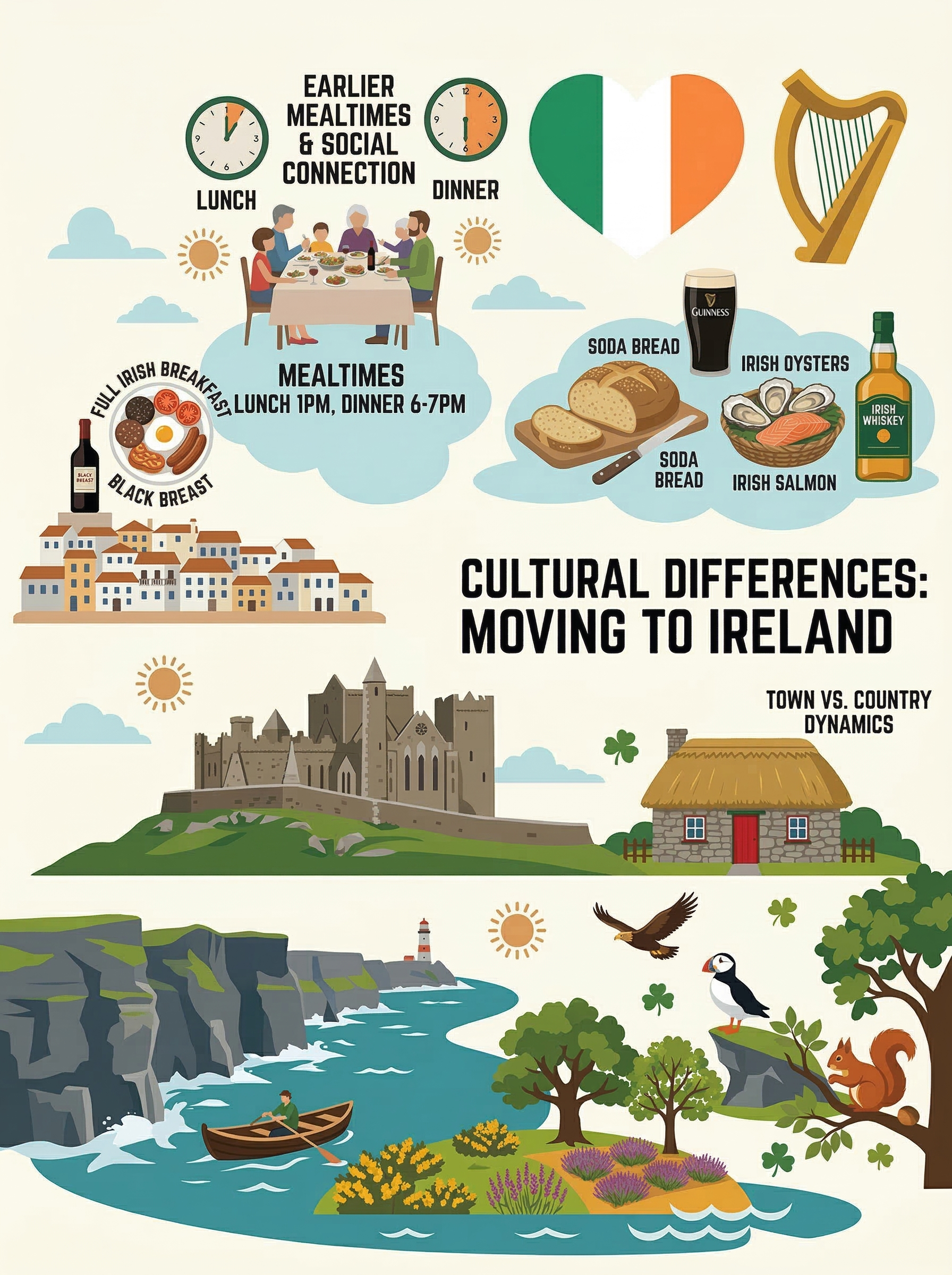
When moving to Ireland as an expat, understanding the cultural landscape is just as important as organizing your visas and taxes.
The “Craic”: The cornerstone of Irish social life is the “craic” (pronounced crack). It translates loosely to news, gossip, fun, entertainment, and enjoyable conversation. The Irish value humor, storytelling, and light-hearted banter. The local pub remains a central hub for socialization, not just for drinking, but for community connection.
Communication and Politeness: The Irish are famously polite but often employ an indirect communication style. They tend to avoid confrontation and may say “I’ll see what I can do” instead of a flat “no.” Modesty is highly valued; boasting or taking oneself too seriously is usually met with gentle teasing. Using “please,” “thank you,” and “sorry” frequently is expected.
Punctuality and Pace of Life: While punctuality is expected in business settings, social events operate on a slightly more relaxed timeline. The overall pace of life, especially outside of Dublin, is laid-back and relationship-focused.
The Weather: Adapting to the Irish climate requires a specific mindset. The weather is famously unpredictable—you can often experience four seasons in one day. It rarely gets extremely cold or hot, but it rains frequently. A good quality raincoat and learning to embrace the outdoors regardless of the drizzle is a must for any expat.
Tipping Culture: Tipping in Ireland is appreciated but not as mandatory as in North America. A 10-15% tip in restaurants is standard if service isn’t already included on the bill. For taxis and pubs, simply rounding up the fare or leaving small change is customary.
Conclusion
Moving to Ireland offers an exciting opportunity to experience a high quality of life, a welcoming culture, and a thriving professional landscape. While navigating the competitive housing market, visa processes, and the intricacies of the Irish tax system may initially seem complex, thorough preparation can drastically ease your transition. Choosing the right neighborhood, understanding the value of community, and embracing Ireland’s warm, conversational society will help you settle comfortably.
Utilising professional international moving services like Crown Relocations can simplify your relocation by handling the logistics, home search, immigration requirements, and settling-in support.
By being aware of cultural nuances and planning your finances carefully, you can make the most of Ireland’s dynamic environment and abundant opportunities for personal and professional growth. With the right approach, your move to the Emerald Isle can be a rewarding and enriching new chapter in your life.

No One Knows Better Than Us.
Get moving with our free moving quote form and let us take care of the rest!
