 International
  Kenya
Kenya  South Africa
  Australia
  New Zealand
  China
China  Hong Kong
  Japan
Japan  Macau
Macau  Mongolia
  South Korea
  Taiwan
  Austria
  Belgium
  Czech Republic
  Denmark
  France
  Germany
  Ireland
  Italy
Italy  Netherlands
  Norway
  Poland
  Spain
Spain  Sweden
  Switzerland
  Turkey
  United Kingdom
  Saudi Arabia
  United Arab Emirates
  Canada
  Mexico
  United States
  Bangladesh
  India
India  Sri Lanka
  Cambodia
  Indonesia
  Malaysia
  Philippines
  Singapore
  Thailand
  Vietnam
 Your Florida Move at a Glance

The Car is King
Public transport is rare outside downtown Miami. You will need a car for everything. Get ready for highways and “SunPass” tolls.

No State Income Tax
The biggest perk! You pay US Federal tax, but Florida takes 0% from your paycheck. It makes a huge difference to your take-home pay.

Diverse Vibes
Miami feels like Latin America. Orlando is family central. Tampa is laid-back coastal. Jacksonville is Southern. Choose your city wisely!

Tropical Weather
It’s hot and humid almost year-round. Hurricane season (June-Nov) is real, so knowing how to prepare is essential.
Work & Economy
Florida is more than just tourism (though Disney is a huge employer!). It has a booming economy in aerospace, international trade, agriculture, and healthcare.
The Cost of Living in Florida
Florida offers a more affordable cost of living compared with major global cities, but expenses vary widely depending on location, lifestyle, and housing choices.
For a single person, monthly living costs typically range from USD $2,500–$3,500, depending on the city or neighbourhood, with Miami and Naples generally at the higher end.
Housing is the largest expense, including rent, utilities, and local taxes, particularly in popular coastal cities. After accommodation, other major costs include food, transportation, healthcare, and leisure — from groceries and car expenses to dining out and weekend activities.
Florida’s cost of living is generally moderate compared with other major US metros, though prices vary significantly by area and property type. All costs are shown in US Dollars (USD).
Below is a snapshot of Florida’s cost of living from an expat perspective, providing realistic estimates to help you plan your move and settle in confidently.
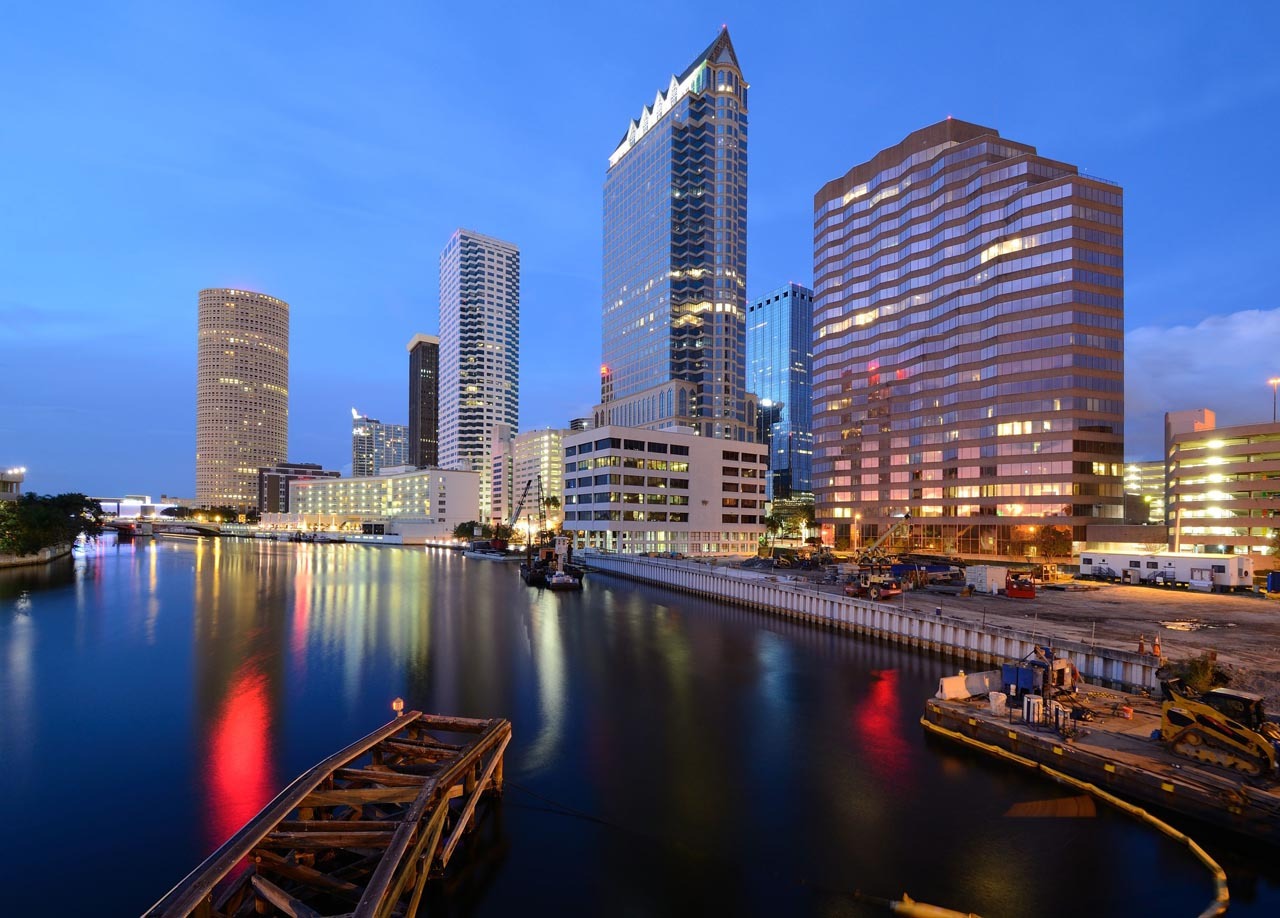
Florida is getting more expensive, especially in Miami, but the lack of state income tax is a massive financial relief. All costs in US Dollars ($).

Rent (1-bed apt, City Center)
Miami is very expensive ($2,800+). Tampa and Orlando are more moderate ($1,800+). Rural areas are much cheaper. Estimated monthly cost around $1,800 - $3,000+ per person.

Health Insurance
Mandatory. Usually deducted from your salary if your employer provides it. If not, it's very expensive. Estimated monthly cost around $300 - $500 per person.

Utilities (A/C is huge)
Your electric bill will spike in summer because A/C runs 24/7. Water is generally cheap. Estimated monthly cost around $150 - $250 per person.

Car (Lease + Insurance)
Car insurance in Florida is among the highest in the US due to weather risks and uninsured drivers. Estimated monthly cost around $600 - $900 per person.

Groceries (Publix/Walmart)
Publix is the beloved local chain (try the subs!). Walmart and Aldi are cheaper options. Estimated monthly cost around $400 - $600 per person.
Housing: Condos, HOAs, and Screened Patios
Renting is straightforward, but look out for “HOA fees” and application processes if you rent in a managed community.

The Process
Move-In Costs
Standard is “First, Last, and Security.” This means you pay the first month’s rent, the last month’s rent, and a security deposit (usually 1 month) upfront. That’s 3 months’ rent in cash to move in.
The HOA (Homeowners Association)
Many rentals are in communities run by an HOA. They have strict rules (parking, noise, pets) and may require a separate application and background check fee.
Pest Control
Florida is a swamp. Bugs are inevitable. Good apartments include pest control in the rent. Look for units with a “screened lanai” (balcony with mesh) so you can sit outside without mosquitoes.
Expat Tip:
Most apartments come with appliances (fridge, oven, dishwasher) and almost always have central A/C. Do NOT rent a place without central A/C. Window units won’t survive the summer.
Where to Live: Florida's Major Hubs
Florida is huge and diverse. The vibe changes drastically depending on which city you choose.
| Neighbourhood | The Attractions |
|---|---|
| Miami | Glamorous, expensive, and Spanish-speaking. It's the hub for nightlife, art (Art Basel), and finance. Traffic is intense, but the culture is electric. |
| Orlando | In central Florida (no beach). Famous for Disney and Universal. It's family-friendly, sprawling, and has a booming tech scene beyond tourism. |
| Tampa / St. Pete | More relaxed and affordable than Miami. St. Petersburg has beautiful beaches and a cool arts scene. Tampa is a growing business hub. Great mix of city and beach. |
| Jacksonville | In the Northeast, it feels more like the "South" (Georgia) than the rest of Florida. It's huge, affordable, and has great river/ocean access. Quieter lifestyle. |
Life in Florida: Getting Around & First Week
You’ve landed in paradise! Now, let’s get you set up so you can hit the pool.
Driving is Mandatory
Outside of a few blocks in Miami, you cannot live here without a car. Cities are designed for driving.
SunPass: Florida has many toll roads (Turnpike, Expressways). Buy a “SunPass” sticker at any grocery store (Publix/CVS), stick it on your windshield, and link your credit card. It saves you money and time.
I-4 and I-95: The main highways. I-4 (connecting Tampa-Orlando-Daytona) is famous for traffic jams. Plan accordingly.
License: You can drive on a foreign license for a short time, but you must get a Florida Driver’s License within 30 days of becoming a resident.
Your First Week Checklist
1. Get Your SSN
Visit the Social Security Administration office. This is your lifeblood for credit and banking.
2. Open a Bank Account
Bank of America, Wells Fargo, and Chase are everywhere. Credit unions (like Suncoast) offer better rates if you qualify.
3. Buy a SunPass
Do this immediately if you rent or buy a car to avoid administrative fees from toll violations.
4. Hurricane Kit
It sounds scary, but it’s just practical. Buy a case of water, flashlights, and non-perishable food. Don’t wait until a storm is coming (shelves will be empty).
Expat Tip:
Parking is usually easy and free in suburbs, but expensive in Miami Beach or downtowns. Always read the tow-away signs!
Embracing the Culture: A Crash Course in Florida Life
Florida isn’t just a place to live — it’s a lifestyle you adapt to. From early mornings on the beach to evening strolls along vibrant neighbourhood streets, each city and town has its own energy.
As an expat, you’ll quickly notice the local rhythm: people embrace the outdoors, value leisure time, and enjoy casual, friendly interactions.
Start exploring at farmers’ markets, coastal boardwalks, cultural districts, or streets where international cuisines and local flavours meet.
Whether it’s a weekend visit to Miami’s art galleries, a food crawl in Tampa, or a brunch in Orlando, Florida encourages you to discover beyond the usual. Festivals, outdoor concerts, community events, and local clubs are great ways to meet people and feel part of the community.
Florida’s weather is a defining feature — hot, sunny summers, mild winters, and a chance of occasional storms. Lightweight clothing, sun protection, and comfortable shoes will help you make the most of parks, beaches, and outdoor activities across the state.
Diversity is at the heart of Florida’s appeal. Historic towns sit alongside modern developments, while traditions from across the globe coexist with vibrant local culture.
From holiday parades and cultural festivals to hidden eateries and lively neighbourhoods, Florida rewards curiosity and exploration.
The state is a place of contrasts: laid-back yet dynamic, historic yet modern. Here’s how to find your place and thrive in the Sunshine State.

Publix is the main grocery store. Their deli sandwiches (subs) are a cult favorite. Ordering a “Chicken Tender Sub” is a rite of passage.
In winter, the population swells with retirees (“snowbirds”) from Canada and the North US. Traffic gets worse, and restaurants get fuller.
Saturdays in autumn are sacred. People are obsessed with the Gators (UF), Seminoles (FSU), or Hurricanes (Miami). Pick a team or stay neutral!
Shorts and flip-flops (“sandals”) are acceptable almost anywhere, even nice restaurants. Formal wear is very rare outside of high-end business.
It’s not just beaches. In winter, visit the natural freshwater springs to see manatees (sea cows). It’s a magical experience.
Especially in Miami and South Florida, knowing some Spanish is incredibly helpful. In some areas, it’s the primary language.
Relocate to Florida with Confidence and Ease
Florida has become one of the most popular destinations for expats seeking sunshine, lower taxes, and a relaxed coastal lifestyle. This guide gives an at-a-glance overview of everything newcomers worry about most—visas, housing, cost of living, jobs, and even hurricanes so you can quickly understand what day-to-day life in the Sunshine State really looks like before committing to a move.
Crown Relocations, with our global move expertise, can handle every detail. From container shipping and customs clearance to settling into Miami or Tampa – ensuring a stress-free journey; get in touch with us today to make your Sunshine State dream a reality.

No One Knows Better Than Us.
Get moving with our free moving quote form and let us take care of the rest!
