 International
  Kenya
Kenya  South Africa
  Australia
  New Zealand
  China
China  Hong Kong
  Japan
Japan  Macau
Macau  Mongolia
  South Korea
  Taiwan
  Austria
  Belgium
  Czech Republic
  Denmark
  France
  Germany
  Ireland
  Italy
Italy  Netherlands
  Norway
  Poland
  Spain
Spain  Sweden
  Switzerland
  Turkey
  United Kingdom
  Saudi Arabia
  United Arab Emirates
  Canada
  Mexico
  United States
  Bangladesh
  India
India  Sri Lanka
  Cambodia
  Indonesia
  Malaysia
  Philippines
  Singapore
  Thailand
  Vietnam
 Your NYC Move at a Glance

Visas are Hard
The US immigration system is strict. You generally need a job offer (H-1B, O-1, L-1) before you move. You cannot look for work on a tourist visa.

The 40x Rent Rule
Landlords require your annual salary to be 40x the monthly rent. If you don’t meet this, you’ll need a Guarantor who earns 80x.

Location is Everything
Choose your Borough wisely. Manhattan is central but pricey. Queens and Brooklyn offer more space. Commute times are key.

First Week is a Sprint
Get an OMNY setup (phone/card), a US SIM, open a bank account (Chase/Citi), and apply for your Social Security Number (SSN) immediately.
Finding Work in NYC
NYC is the global hub for Finance (Wall St), Media, Fashion, and increasingly Tech (“Silicon Alley”). The hustle culture is real.
The Cost of Living in New York City
New York City sits firmly at the top of the cost-of-living scale — not just in the US, but globally. From iconic neighbourhoods to everyday essentials, living in the Big Apple comes with a premium price tag.
For a single person, monthly living expenses typically range from USD $4,000–$5,000, depending on your lifestyle, borough, and housing choices.
Housing is by far the biggest expense, often consuming the largest share of your budget. Rent, utilities, and building fees add up quickly, especially in Manhattan or sought-after Brooklyn neighbourhoods. After accommodation, the next major costs are food, transportation, healthcare, and leisure — from grocery runs and subway passes to dining out and cultural experiences.
New York City consistently ranks as one of the most expensive cities in the world. Accommodation costs and local taxes are the primary drivers, with prices varying significantly by area and building type. All costs are shown in US Dollars (USD).
Below is a snapshot of New York City’s cost of living from an expat’s perspective, offering realistic estimates to help you plan your move and set expectations before you arrive.

New York remains one of the world’s most premium places to live, with monthly expenses for a single person estimated to be around $5,500, though this can vary significantly based on lifestyle and location.

Rent (1-bed apt, Manhattan/Brooklyn)
Yes, really. To save money, get roommates ($1,500-$2,500) or move further out into Queens/Jersey. Estimated monthly cost around $3,500 - $5,000+ per person.

Dining & Drinks
A cocktail is $18-$22. A casual dinner is $40-$60. Tipping is 20% minimum. It adds up fast. Estimated monthly cost around $600 - $1,000+ per person.

Utilities (Electric & Internet)
Heat and water are often included in rent (check your lease!). Electricity (ConEd) spikes in summer due to A/C. Estimated monthly cost around $150 - $250 per person.

Transport (MTA OMNY)
Subway/Bus rides are ~$2.90. An unlimited monthly card is the best value. OMNY caps your weekly spend automatically. Estimated monthly cost around $132 (Unlimited) per person.

Groceries
Whole Foods and Trader Joe's are popular. Local "Bodegas" are convenient but expensive for full shopping. Estimated monthly cost around $500 - $800 per person.
Navigating the NYC Rental Market
Renting in NYC is a blood sport. It moves fast, it’s expensive, and the requirements are rigid. Here is the reality.

The “Rules” & Key Terms
Where to Look
StreetEasy is one of the most trusted and widely used platforms for New York City real estate listings. While other websites can also be helpful, it’s important to verify listings carefully and work with reputable sources when searching for a home.
The 40x Rule
To qualify for an apartment, your annual gross salary must be at least 40 times the monthly rent. (e.g., $3,000 rent = $120,000 salary). If you don’t meet this, you need a Guarantor.
The Broker Fee
Unless you find a specific “No Fee” listing, you will likely pay a broker fee of 10% to 15% of the annual rent upfront. For a $3,000 apt, that’s up to $5,400 just for the fee. Plus first month’s rent and security deposit.
No Credit Score?
Never pay a deposit for a property you haven’t seen in person. Scams are common. As an expat with no US credit score, you may need to use a guarantor service like TheGuarantors or Insurent.
Where to Live: The Boroughs Explained
NYC has five boroughs, but most expats focus on Manhattan, Brooklyn, and Queens. Each has a distinct vibe.
| Neighbourhood | The Attractions |
|---|---|
| Manhattan (West Village, Chelsea, Hell's Kitchen) | The "movie" experience. West Village is charming but pricey. Hell's Kitchen is younger and near theaters. Chelsea is art galleries and high-line walks. |
| Brooklyn (Williamsburg, Park Slope) | Williamsburg is trendy and expensive. Park Slope is beautiful brownstones and strollers (very family friendly). Brooklyn Heights offers stunning city views. |
| Queens (Astoria, Long Island City) | LIC has modern high-rises and is 5 mins from Midtown. Astoria has incredible Greek/Middle Eastern food, a community vibe, and slightly lower rents. |
| Jersey City / Hoboken | Technically New Jersey, but a quick PATH train ride to Manhattan. You get more space, modern buildings, and (slightly) lower taxes. Very popular with families. |
Life in New York: Getting Around & Your First Week
Relocating to New York involves meticulous preparation across many fronts. You’ve already done the hard part — now here’s how to blend in, get organised, and make the most of your new adventure.
Here’s how to get your essentials in place, navigate the nuances of New York living, and start feeling at home in the Big Apple.
New York City’s scale may feel overwhelming at first, but its round-the-clock transport network makes getting around surprisingly efficient. Whether you’re commuting to work or exploring a new neighbourhood, the city offers multiple ways to move with ease.
Subway: The New York City Subway is the backbone of daily life, running 24/7 and connecting all five boroughs. Trains are frequent, fares are affordable by global city standards, and most lines reach key business districts and residential areas favoured by expats, including Manhattan, Brooklyn, and Queens.
Buses: NYC buses complement the subway network and are ideal for shorter journeys or routes not covered by trains. They’re also a great way to see the city above ground, especially when travelling across neighbourhoods.
Walking & Cycling: New York is one of the most walkable cities in the world. Many residents walk for short trips, errands, or their daily commute. Cycling is also growing in popularity, with expanding bike lanes and Citi Bike stations across Manhattan, Brooklyn, and parts of Queens.
Payment: Travel is cashless and seamless. Simply tap your contactless card, phone, or OMNY-enabled device on subways and buses. Weekly fare capping ensures you’ll never pay more than the cost of an unlimited pass, making budgeting easier from day one.
Your First Week Checklist
1. Apply for SSN
Go to a Social Security Administration office to apply for your number. You cannot get paid or build credit without it. Go early in the morning.
2. Open a Bank Account
Chase, Citibank, and Bank of America are on every corner. You’ll need your passport, visa, and proof of address (lease or utility bill).
3. Get a US Phone Number
T-Mobile, Verizon, and AT&T are the big carriers. Mint Mobile is a cheaper pre-paid option.
4. Get a Library Card
The NY Public Library card gives you free access to museums (Culture Pass), books, and workspaces. It’s a hidden gem.
Expat Tip:
Uptown = North. Downtown = South. In Manhattan, avenues run North/South, streets run East/West. Once you learn the grid, you’ll never get lost.
Embracing the Culture: A Crash Course in New York Life
New York City isn’t just a place to live — it’s a pace you learn to move with. From the early-morning rush in Midtown to late-night conversations in a neighbourhood café, every block hums with its own energy.
As an expat, you’ll quickly notice the city’s unspoken rules: walk with purpose, respect personal space, and never underestimate the power of a good coffee.
Begin your exploration at local farmers’ markets, neighbourhood food halls, or iconic streets where global cultures intersect. Whether it’s a weekend stroll through SoHo, a food crawl in Queens, or brunch in Brooklyn, the city invites you to explore beyond the obvious. Community events, fitness classes, gallery openings, and rooftop gatherings are some of the easiest ways to meet people and feel connected.
New York’s seasons are part of its character — humid summers, crisp autumns, snowy winters, and energising springs. Dress in layers, invest in comfortable walking shoes, and make the most of green spaces like Central Park, Prospect Park, the High Line, or the Brooklyn waterfront for a pause from the pace.
What defines New York is its diversity. Old-world institutions sit beside trend-driven pop-ups, and traditions from every corner of the globe coexist effortlessly.
From holiday parades and cultural festivals to tucked-away neighbourhood eateries that feel like home, the city rewards curiosity.
New York is a city of contrasts: fast and reflective, intense and intimate. Here’s how to find your place — and thrive — in the city that never stops moving.
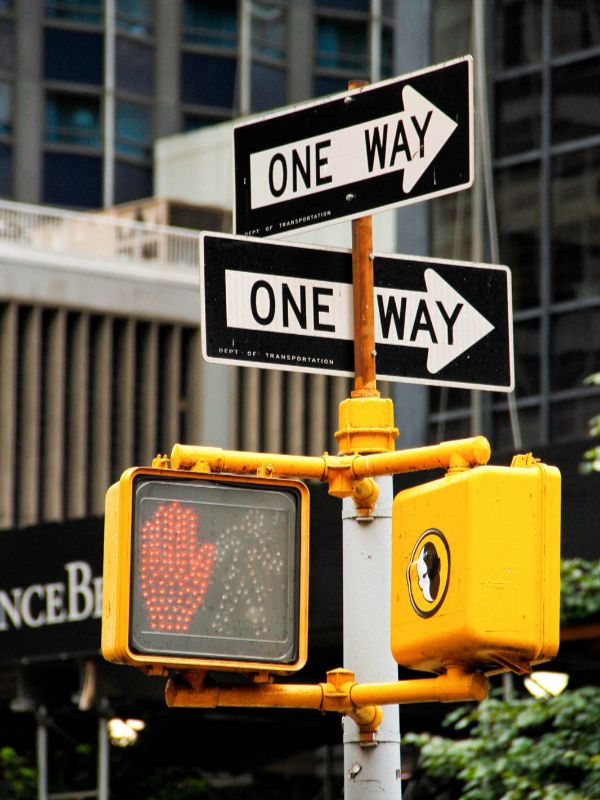
Walk fast and keep to the right. Never stop abruptly to look at your phone. If you walk three-abreast with friends, you will be hated.
On the subway, let people off before you get on. And don’t block the doors (“Showtime” dancers might need that space, but that’s another story).
20% is the standard for dining, bars, and taxis. 15% is considered low/bad service. Not tipping is a major faux pas.
People will tell you exactly what they think. It’s not personal; it’s just communication without the fluff. Efficiency is the love language of NYC.
The corner store (deli/grocery). It’s where you get your morning “bacon egg and cheese” (BEC) and late-night snacks. Get to know your bodega guy.
Fold the slice. Eat it with your hands. Never use a knife and fork unless you want to be mocked mercilessly.
Moving to New York Soon?
Moving to New York City offers an exceptional blend of global opportunity, cultural diversity, and modern urban living.
With the right preparation, relocating to New York can be a smooth and rewarding experience. By planning your finances, understanding neighbourhood options, securing the necessary documentation, and engaging with local communities, you can settle in with confidence. Supported by Crown Relocations’ expert guidance and local knowledge, your move becomes more than a transition.

No One Knows Better Than Us.
Get moving with our free moving quote form and let us take care of the rest!
