 International
  Kenya
Kenya  South Africa
  Australia
  New Zealand
  China
China  Hong Kong
  Japan
Japan  Macau
Macau  Mongolia
  South Korea
  Taiwan
  Austria
  Belgium
  Czech Republic
  Denmark
  France
  Germany
  Ireland
  Italy
Italy  Netherlands
  Norway
  Poland
  Spain
Spain  Sweden
  Switzerland
  Turkey
  United Kingdom
  Saudi Arabia
  United Arab Emirates
  Canada
  Mexico
  United States
  Bangladesh
  India
India  Sri Lanka
  Cambodia
  Indonesia
  Malaysia
  Philippines
  Singapore
  Thailand
  Vietnam
 Your Mumbai Move at a Glance.

Visa & FRRO are Critical
You need an Employment (E) Visa, sponsored by your employer. Once you land, you MUST register with the FRRO within 14 days. It’s mandatory.

Cost of Living Contrast
For expatriates relocating to Mumbai, cost dynamics can be striking: premium rents in expat-friendly areas are offset by exceptionally low everyday living costs, including transport, food, and household services.

Use a Broker for Renting
Finding a flat is a challenge. A broker is essential. Be prepared for a substantial security deposit (3-6 months’ rent). Bandra West and Powai are popular expat hubs.

First Week Admin
Start FRRO registration. Get a SIM (Airtel/Jio), open a bank account (HDFC/ICICI), and download Uber, Ola, and Zomato (for food delivery).
Finding Work in Mumbai
As India’s financial and entertainment capital, Mumbai is a hub for Finance, Tech, Media (Bollywood), and multinational HQs. Most expats secure a job *before* moving.
The Cost of Living in Mumbai
Mumbai offers a dynamic, world-class lifestyle shaped by striking contrasts, making it both exciting and complex for expatriates relocating to India.
While rental costs in popular expat neighbourhoods such as Bandra West and Powai are among the highest in the country, and can rival prices in major global cities, day-to-day living expenses remain surprisingly affordable. Utilities, groceries, public transport, and household services are all relatively low-cost, helping to balance overall monthly spending.
Dining out is one of Mumbai’s great pleasures — from inexpensive street food and local cafés to refined international dining in luxury hotels and rooftop restaurants. There is something to suit every taste and budget. Healthcare and entertainment are also accessible and reasonably priced by international standards, contributing to a comfortable urban lifestyle.
Finding suitable accommodation can be challenging, and engaging a local broker is essential. Expats should also be prepared for substantial upfront deposits, typically ranging from three to six months’ rent.
To help with planning, here’s a realistic monthly budget overview in Indian Rupees (INR) that reflects what new arrivals can expect when settling into life in Mumbai.
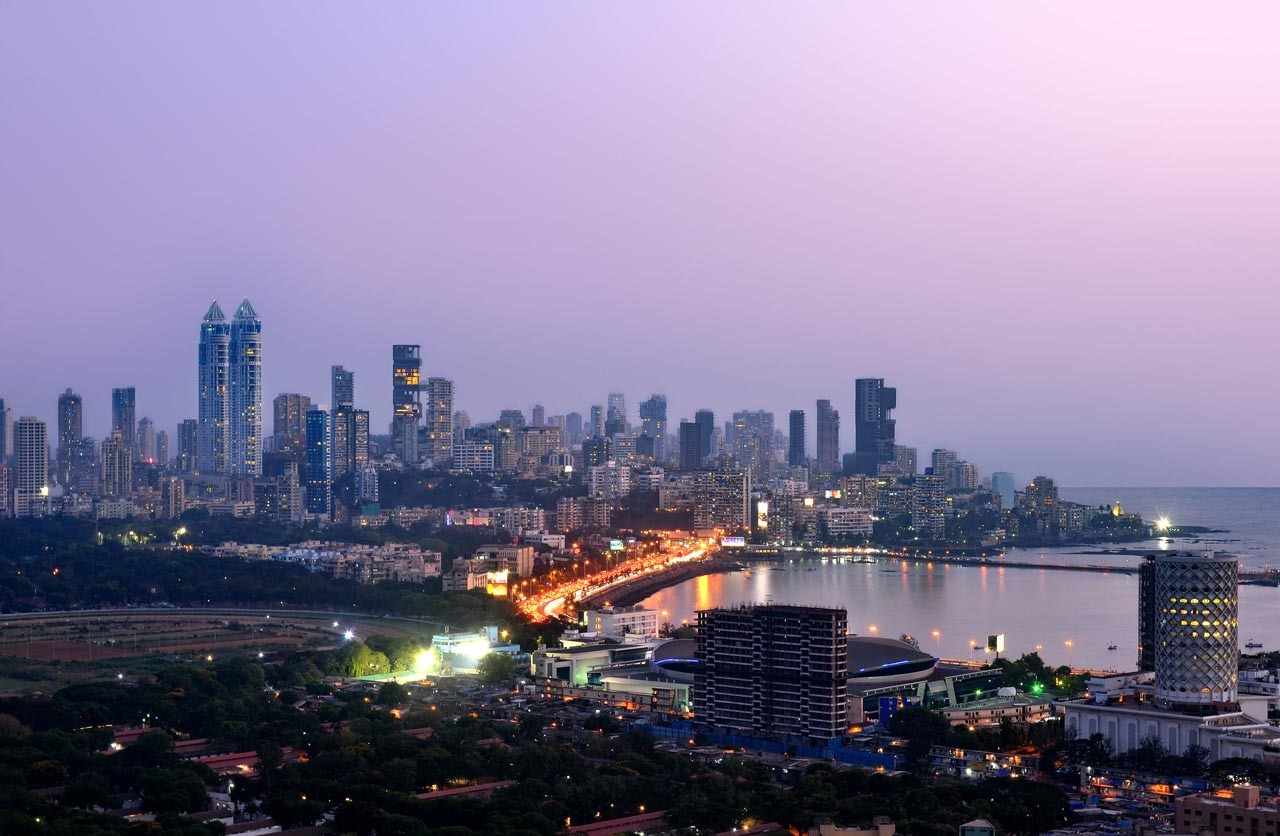
Your rent will be the biggest variable. You can live for much less, or far, far more.

Rent (1/2-BHK apt, expat area)
This is your biggest cost by far. A 'BHK' is Bedroom, Hall, Kitchen. Be prepared for a massive upfront deposit (3-6+ months). Estimated monthly cost around ₹70,000 - ₹1,50,000+ per person.

Hiring Help (Maid/Cook)
A "bai" (maid) for cleaning and a cook are very common and affordable. This is a standard part of the expat lifestyle here. Estimated monthly cost around ₹8,000 - ₹15,000 per person.

Utilities (A/C, Gas, Water)
Electricity is your main cost. A/C is non-negotiable for most of the year. Water can sometimes be an issue in older buildings.. Estimated monthly cost around ₹4,000 - ₹8,000 per person.

Transport (Auto/Uber/Train)
Incredibly cheap. Autos, Ubers, and the local train will get you everywhere for very little cost. Estimated monthly cost around ₹3,000 - ₹5,000 per person.

Groceries
Local markets are very cheap. Imported goods from shops like Nature's Basket or Foodhall are very expensive. Estimated monthly cost around ₹10,000 - ₹20,000 per person.
Navigating the Mumbai Rental Market
Brace yourself. The rental market is famously difficult, fast, and expensive. A good broker isn’t just helpful, they are essential.
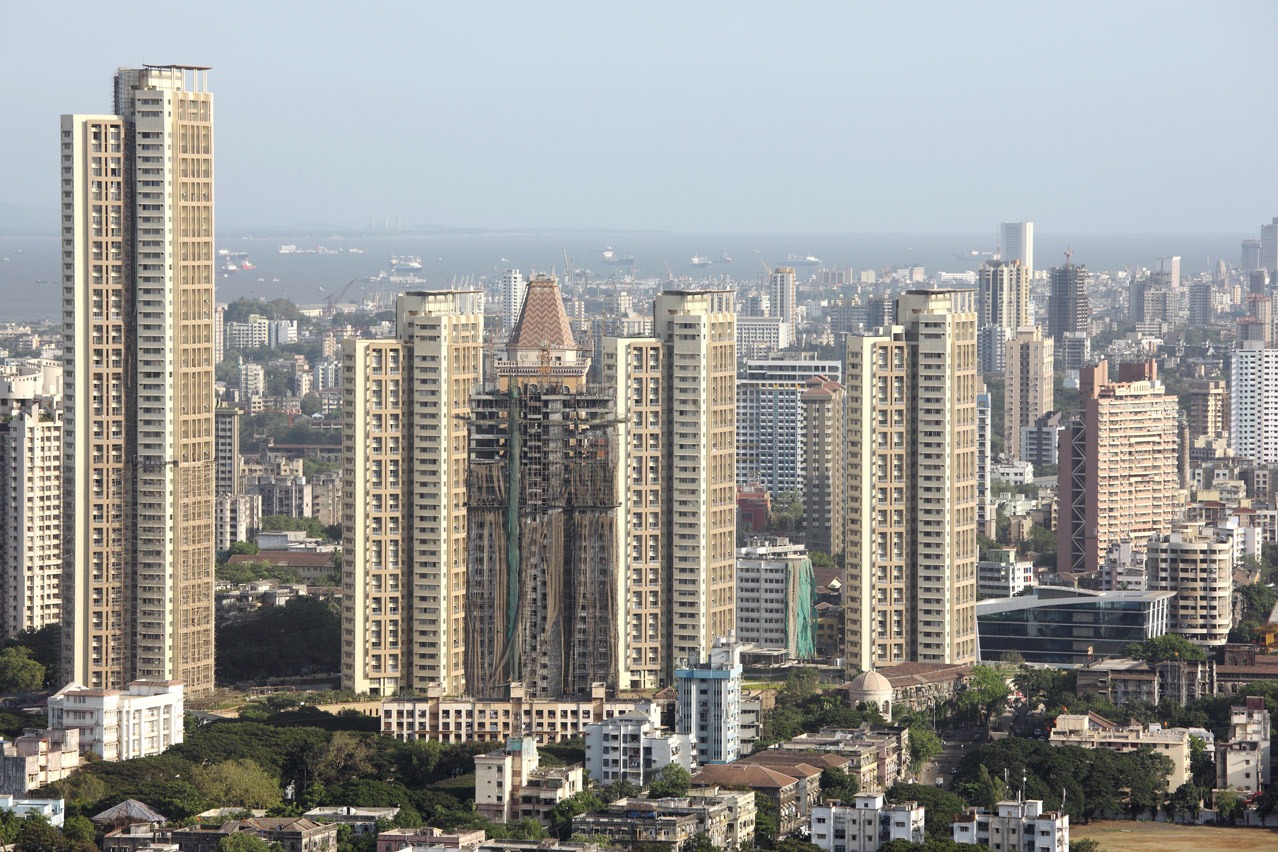
The Process & Key Terms
Find a Broker (Realtor)
Forget websites like MagicBricks or 99acres—they’re often outdated. The *only* way to find a good flat is via a local broker. Ask for recommendations. They will charge a fee (usually 1 month’s rent).
The Deposit
This is the biggest hurdle. Landlords demand a massive upfront “Security Deposit,” which is typically 3-6 months’ rent. In some cases, it can be 10-12 months. This is negotiable, so negotiate hard!
Society Approval & Paperwork
You must be approved by the building’s “Housing Society” (a co-op board). This can involve an “interview” and lots of paperwork. A “Leave and License Agreement” is the standard rental contract.
Expat Tip:
Have your key documents (passport, visa, employment letter) scanned and ready. When you find a place you like, you must act immediately. Ask your company if they offer a “rental loan” to cover the massive deposit.
Where to Live: Best Mumbai Suburbs for Expats
The “Island City” (South) vs. the “Suburbs” (North). Your daily commute will define your life, so choose carefully. Traffic is a major factor.
| Neighbourhood | The Attractions |
|---|---|
| Bandra West & Khar West | The undisputed heart of expat life. Full of trendy cafes, boutiques, bars, and Bollywood celebrities. It's vibrant, central, and has the highest rents in the city. |
| Powai | A planned township built around a lake. It's clean, organized, and filled with modern high-rises, restaurants, and offices. Feels separate from the chaos of the city. |
| South Mumbai (Colaba, Malabar Hill) | The historic, colonial heart of the city. Home to Marine Drive, art galleries, and grand (if older) apartments. Very expensive and the commute to the north can be brutal. |
| Andheri West & Juhu | Bustling, densely populated, and the centre of the TV/film industry. Juhu is a prime beachfront area. Great nightlife and food, and slightly more affordable than Bandra. |
Life in Mumbai: Getting Around & Your First Week
Arriving in Mumbai marks the beginning of settling into India’s most dynamic metropolis – a city of energy and intensity, alive with colour, sound, and constant movement. From the warmth of its people and the aroma of street food to the pulse of daily life, Mumbai makes a powerful first impression.
From getting your essentials in order and understanding the local transport network to adapting to the city’s distinctive pace and cultural diversity, the early days can feel overwhelming — but deeply rewarding.
Here’s how to organise your initial setup, navigate daily life in Mumbai with confidence, and start feeling at home in one of the world’s most fascinating cities.
Getting Around the City
Mumbai’s public transport is an experience in itself. It’s the circulatory system of the city.
Autorickshaws (“Autos”): The green and yellow three-wheelers are perfect for short trips. They are metered and very cheap. Note: they do not operate in South Mumbai.
Uber & Ola: Your go-to for A/C comfort. Both are widely available and affordable.
The Local Trains: The *real* lifeline of Mumbai. They are incredibly fast and cheap, but famously crowded (“super-dense crush load”). An experience you must have at least once!
Driving: Honestly? Don’t. The traffic is among the worst in the world. Most expats who have a car also hire a driver, which is surprisingly affordable.
Your First Week Checklist
1. FRRO Registration
We are saying it again because it’s that important. Start this process *immediately*. It must be completed within 14 days of arrival.
2. Get a SIM Card & Bank Account
You’ll need your passport, visa, and proof of address. Airtel and Jio are the top mobile carriers. HDFC, ICICI, and Kotak are great bank choices for expats.
3. Hire Domestic Help
This is standard, not a luxury. Find a “bai” (maid/cook) through building security or local recommendations. This will dramatically improve your quality of life.
4. Download Key Apps
Get Uber/Ola (transport), Zomato/Swiggy (food delivery), and BigBasket/Zepto (grocery delivery). They will make your life instantly easier.
Expat Tip:
For payments, PayTM and GPay (Google Pay) are essential. India is a “scan-to-pay” QR code economy now. Link your Indian bank account as soon as you get it.
Embracing the Culture: A Crash Course in ‘Mumbaikar’
India’s diversity is often summed up in a single city — and nowhere is this more evident than in Mumbai. A vibrant blend of cultures, languages, and traditions, the city’s character is shaped by generations of communities living side by side, most vividly expressed through its extraordinary food scene.
Life in Mumbai combines relentless city energy with a strong sense of community. Mumbaikars take pride in their resilience, their cuisine, and their ability to balance work, family, and social life — often centred around shared meals, street-side conversations, and weekend escapes beyond the city.
You’ll quickly notice a welcoming spirit, an unspoken camaraderie, and a deep respect for both tradition and progress. Mumbai embraces modern living while holding firmly onto its cultural roots.
Whether it’s navigating bustling local markets, enjoying chai at a roadside stall, sampling regional dishes from across India, or joining in major festivals, embracing life in Mumbai means staying open, adaptable, and curious.
Life here is fast-paced yet deeply human — and learning a few local expressions and customs will help you feel at home in no time.
This means a ‘hack’ or a clever, frugal workaround. It’s the creative, resilient, make-it-work attitude that defines the city. Nothing is impossible.
From June to September, the monsoon is a city-defining event. It’s not just rain—it’s a force of nature that brings life, beauty, and massive floods. The city never stops.
You’ll see this everywhere. It’s a friendly, positive gesture that can mean “yes,” “okay,” “I understand,” or “maybe.” It’s almost always a sign of acknowledgement.
Be prepared to see staggering poverty alongside incredible wealth. This can be jarring, but it’s a fundamental reality of the city. Be respectful and aware.
At local markets, street stalls, and with auto drivers (if the meter is “broken”), bargaining is part of the game. Do it respectfully and with a smile. Not in malls.
English is the common language for business, government, and between people from different states. You can get by easily, but learning a few words of Hindi or Marathi is warmly appreciated.
Making Your Move to Mumbai Simple
Relocating to Mumbai offers expatriates a dynamic, rewarding, and culturally rich experience. From its diverse neighbourhoods and iconic street food to the blend of modern infrastructure and deep-rooted traditions, life in India’s financial capital is both challenging and immensely fulfilling.
With the right preparation, local support, and an open mind, your move to Mumbai can mark the beginning of an exciting new chapter. Crown Relocations is here to guide you every step of the way — ensuring your transition is smooth, well-supported, and truly rewarding.

No One Knows Better Than Us.
Get moving with our free moving quote form and let us take care of the rest!
