 International
  Kenya
Kenya  South Africa
  Australia
  New Zealand
  China
China  Hong Kong
  Japan
Japan  Macau
Macau  Mongolia
  South Korea
  Taiwan
  Austria
  Belgium
  Czech Republic
  Denmark
  France
  Germany
  Ireland
  Italy
Italy  Netherlands
  Norway
  Poland
  Spain
Spain  Sweden
  Switzerland
  Turkey
  United Kingdom
  Saudi Arabia
  United Arab Emirates
  Canada
  Mexico
  United States
  Bangladesh
  India
India  Sri Lanka
  Cambodia
  Indonesia
  Malaysia
  Philippines
  Singapore
  Thailand
  Vietnam
 With estimates that over 50% of households worldwide have a pet, it’s unsurprising that they form a huge part of moving plans. Often, pets are what hold us back from making that move – but it can be done!
A successful pet move requires early planning around vaccinations, microchipping, paperwork, travel logistics, and destination rules. Proper preparation protects your pet’s welfare and prevents delays or entry refusal.
Whether it be man’s best friend, a furry feline, or an attachment to an arachnid, moving abroad with a pet can feel overwhelming if you don’t know where to start. We break down what you need to know about moving abroad with pets.
TL;DR: Relocating with a pet
- International pet relocation = paperwork + health rules + logistics.
- Start early, follow destination laws, and work with specialists to keep your pet safe and compliant.
- Some countries have restrictions around certain animals/breeds – be sure to research the regulations in your destination country.
Why Pet Relocation Takes Longer Than Expected
 Relocating a pet is not as simple as booking a flight and putting them in a carrier. Countries treat animals as regulated imports, which means your pet must meet:
- Veterinary health standards
- Disease control regulations
- Import documentation requirements
- Airline transport rules
- Breed or species restrictions
Missing one step can lead to:
- Entry refusal
- Mandatory quarantine
- Significant fines
We recommend starting at least 4 to 6 months before your move to meet all requirement deadlines.
🏠 Before You Move: Early Preparation Steps
The pre-move stage is about compliance and preparation. Microchip, vaccinate, gather documents, and check destination laws months in advance.
-
Research Destination Pet Import Rules
Each country has its own system. For example:
- The UK Department for Environment, Food and Rural Affairs (DEFRA) regulates pet entry into the UK
- Australia has strict biosecurity and quarantine laws
- Singapore requires import permits and health certification
- The United Arab Emirates has breed restrictions and vaccination requirements
Always check official government sources.
-

Microchipping
Most countries require an ISO compliant microchip before vaccinations are recorded. Without it, vaccine history may be invalid.
For example:
-
UK: It has been a legal requirement since April 2016 for all dogs over 8 weeks old to be microchipped and registered with updated contact details. Yet, as of June 2024, it is now mandatory for all owned cats (including indoor cats) to be microchipped if they are over 20 weeks old.
-
European Union: Microchipping dogs is legally mandatory in 24 EU Member States and within 7 states for cats. Yet, for cross-border travel, an ISO-compliant chip and pet passport is required for dogs, cats, and ferrets.
-
Australia: Microchipping is mandatory nationwide for both dogs and cats at the point of sale or transfer, though specific regulations vary by state.
-
UAE: All cats and dogs entering the UAE must be microchipped and have a valid vaccination record to obtain an import permit.
‼️: A microchip is ineffective if not registered. In almost all jurisdictions with mandatory laws, registration on a database with current contact details is required.
-
Vaccinations and Health Treatments
Common requirements include:
- Rabies vaccination (and antibody titre test for some destinations)
- Parasite treatments
- General health check by an official veterinarian
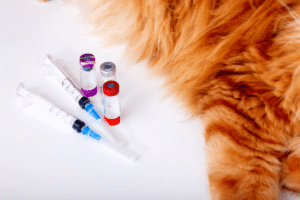
Timing matters, as some countries require vaccines months before travel.
-
Obtain Official Documentation
You may need:
- Veterinary health certificate
- Import permit
- Vaccination record
- Microchip registration
- Export paperwork
-
Check Breed/Species Restrictions
Some countries ban or restrict certain animals/breeds, such as:
Under the Dangerous Dog Act 1991, the following dog breeds are banned in the UK:
- Pit Bull Terrier
- American XL Bully
- Japanese Tosa
- Argentine Mastiff (Dogo Argentino)
- Brazilian Mastiff (Fila Brasilerio)
While there is no explicit, nationwide ban on cat breeds in the UK, the breeding, selling, and exhibiting of cats with extreme, harmful, or genetic defects – such as Scottish Folds and Sphynxs – are facing increasing restrictions.
Certain large or aggressive dog breeds, including:
- Bull Terriers: Staffordshire Bull Terrier, Pit Bull Terrier, American Staffordshire Bull Terrier, American Bully
- Mastiffs: Argentine Mastiff (Dogo Argentino), Brazilian Mastiff (Fila Brasilerio)
- Other: Japanese Tosa, Doberman Pinscher, Rottweiler, Presa Canario, Boxers, Wolf Hybrids
The following are also banned in the UAE:
- Reptiles: Lizards, snakes, vipers
- Invertebrates: Spiders, scorpions
The follow dog breeds are not allowed in Singapore (unless licensed):
- Pit Bull (including the American Pit Bull Terrier, American Staffordshire Terrier, Staffordshire Bull Terrier, American Bulldog)
- Akita
- Neapolitan Mastiff
- Japanese Tosa
- Dogo Argentino
- Fila Brasileiro
- Boerboel
- Presa Canario
In Singapore, it is also prohibited to keep the following as pet:
- Cat breeds: Bengals, Savannahs
- Reptiles: Iguanas, snakes, salamanders, Indian star tortoises, and bearded dragons
- Small mammals: Hedgehogs, sugar gliders, slow lorises
- Invertebrates: Scorpions, tarantulas.
There are state-specific rules across Australia, but currently only dogs, cats, rabbits, horses and selected species of birds from approved countries may be imported as pets and only when strict conditions are met. The following are banned (unless for zoological or laboratory research):
- Reptiles: Turtles, tortoises, snakes, lizards
- Invertebrates: beetles, cockroaches, butterflies, crickets, stick insects, spiders, scorpions, snails, worms, crabs. brine shrimp, including brine shrimp eggs (artemia cysts), live coral, starfish
- Fish
- Frogs and other amphibians
The following breeds are also prohibited from entering Australia under the Customs Act 1901:
- Dogs: American Pit Bull Terrier, Argentine Mastiff (Dogo Argentino), Brazilian Mastiff (Fila Brasilerio), Japanese Tosa, Presa Canario, Wolfdog Hybris including Czechoslovakian Wolfdog, Saarloos Wolfdog, Lupo Italiano, Kunming Wolfdog.
- Cats: Savannahs, Bengals, Chausie, Safari Cat, Caracat
Rules change, so always confirm with authorities.
✈️ During the Move: Travel Day Considerations
Of course, while travel safety is the priority, you will know your pet better than anyone. It’s important that your pet is appropriately catered for during the moving process. So, Approved crates, airline compliance, and methods to reduce stress are essential.
-
Use an Airline Approved Travel Crate
Your crate must:
- Meet airline size rules
- Allow standing and turning
- Be well ventilated
- Be clearly labelled
-
Avoid Sedation (if travelling by plane)

Most airlines and vets advise against sedating pets because it can affect breathing and circulation at altitude.
-
Prepare for the Journey
- Provide familiar bedding and toys
- Freeze water in a bowl so it melts gradually
- Exercise dogs before travel
- Keep feeding light before departure
-
Choose the Right Travel Option
Pets may travel:
- In the cabin, depending on size
- As excess baggage
- As manifest cargo
Professional relocation partners help choose the safest option.
🏡 After Arrival: Helping Your Pet Settle
Arrival does not mean the process is over. It is key to monitor health, manage stress, and register your pet locally.
-

Post Arrival Veterinary Check
Visit a local vet soon after arrival to:
- Confirm health
- Update local registrations
- Understand parasite risks in the new country
-
Watch for Signs of Stress
We know that moving can be stressful, but a big change is stressful for animals, too! Be sure to look for:
- Loss of appetite
- Lethargy
- Hiding
- Digestive upset
These often improve with routine and reassurance.
-
Register Your Pet Locally
Some destinations require:
- Municipal registration
- Local microchip databases
- Pet insurance compliance
How Crown Relocations Supports Pet Moves
With an international elite network of International Pet and Animal Association (IPATA) pet transfer specialists, we help guide you through all registrations, special travel requirements and medical regulations.
- Managing documentation
- Coordinating with veterinarians
- Advising on breed restrictions
- Arranging safe travel logistics
- Supporting compliance with import laws
Summary
Moving overseas with a furry (or feathered!) friend can be confusing, especially with varying laws and regulations depending on destination.
However, with sufficient research, preparation, and consideration, you can ensure a smooth move overseas for the whole family – because pets are part of the family, too!
For a ‘purrfect’ move with your pet, get in touch with Crown Relocations today.
FAQs - Moving Overseas with a Pet
Start 4 to 6 months before your move to allow time for vaccinations, blood tests, and paperwork.
It depends – some countries require quarantine if documentation or vaccination timelines are not met.
The most commonly banned breeds globally include:
- Pit Bull Terrier (and its variants)
- Japanese Tosa
- Dogo Argentino (Argentine Mastiff)
- Fila Brasileiro (Brazilian Mastiff)
- American Bully.
Always check local regulations and restrictions.
Air travel can be stressful, but proper crate training and professional planning reduce risk.
