 International
  Kenya
Kenya  South Africa
  Australia
  New Zealand
  China
China  Hong Kong
  Japan
Japan  Macau
Macau  Mongolia
  South Korea
  Taiwan
  Austria
  Belgium
  Czech Republic
  Denmark
  France
  Germany
  Ireland
  Italy
Italy  Netherlands
  Norway
  Poland
  Spain
Spain  Sweden
  Switzerland
  Turkey
  United Kingdom
  Saudi Arabia
  United Arab Emirates
  Canada
  Mexico
  United States
  Bangladesh
  India
India  Sri Lanka
  Cambodia
  Indonesia
  Malaysia
  Philippines
  Singapore
  Thailand
  Vietnam





Crown Relocations has over 50 years of experience helping expats and families relocate to and from all around the world.
With our deep local expertise and established on-the-ground operations across Japan, we provide a comprehensive guide to moving to Japan — covering key topics such as cost of living, visas and residency requirements, housing options, and the Japanese education system, so you can plan your move with confidence.
Understanding the Japan Visa Process
Securing a visa is your first and most critical step. Japan has strict immigration laws, and unlike some countries where you can look for work on a tourist visa, Japan generally requires you to secure a Certificate of Eligibility (COE) before you even arrive.
Japan offers several types of visas for expatriates, depending on the purpose and length of stay. One of the most common options is the work visa, which is required for individuals planning to take up employment in Japan.
Other visa categories include business manager visas for entrepreneurs and investors, dependent visas for spouses and family members, and student visas for those pursuing education in Japan.
The visa application process can be detailed and time-consuming, so careful preparation is essential. Applicants should ensure all required documents are complete, accurate, and submitted within the specified timelines.
Seeking professional support from immigration specialists familiar with Japanese immigration regulations can also help simplify the process, reduce delays, and ensure compliance with local requirements.
Types of Visas Available for Expats
There are over a dozen categories of work visas (e.g., Engineer, Instructor, Journalist). You generally need a sponsoring company to apply.
A points-based visa for advanced talent that offers preferential treatment, such as a faster track to permanent residency.
For those enrolling in Japanese language schools or universities. You are allowed to work part-time (up to 28 hours/week) with special permission.
A newer 6-month visa for remote workers earning over ¥10 million annually, though it does not lead to residency.
Aimed at filling labor gaps in specific industries like caregiving, construction, and hospitality.
How to apply for Visas when moving to Japan
The process is unique because, in many cases, it begins in Japan even while you are still living overseas. Instead of you applying directly for a visa at your local embassy first, your sponsor in Japan (usually your employer, language school, or university) submits an application for a Certificate of Eligibility (COE) to the regional Immigration Bureau on your behalf.
This COE is essentially a pre-approval that confirms you meet the legal requirements for your intended status of residence, such as work, study, or dependent.
After several weeks to a few months, if the application is approved, the Immigration Bureau issues the COE and sends the physical document to your sponsor, who then forwards it to you in your home country. Once you receive the original COE, you take it along with your passport, application form, photos, and any other required documents to the Japanese embassy or consulate responsible for your place of residence.
The embassy uses the COE to process your visa application much more quickly, since many of the checks were already completed in Japan. If everything is in order, they will affix the actual visa to your passport, allowing you to enter Japan and receive your residence card after arrival.
Expat Tip: Ensure your passport name matches your application documents exactly (including middle names). Japan’s bureaucracy is incredibly precise, and a single mismatched letter can cause delays.
Cost of Living in Japan
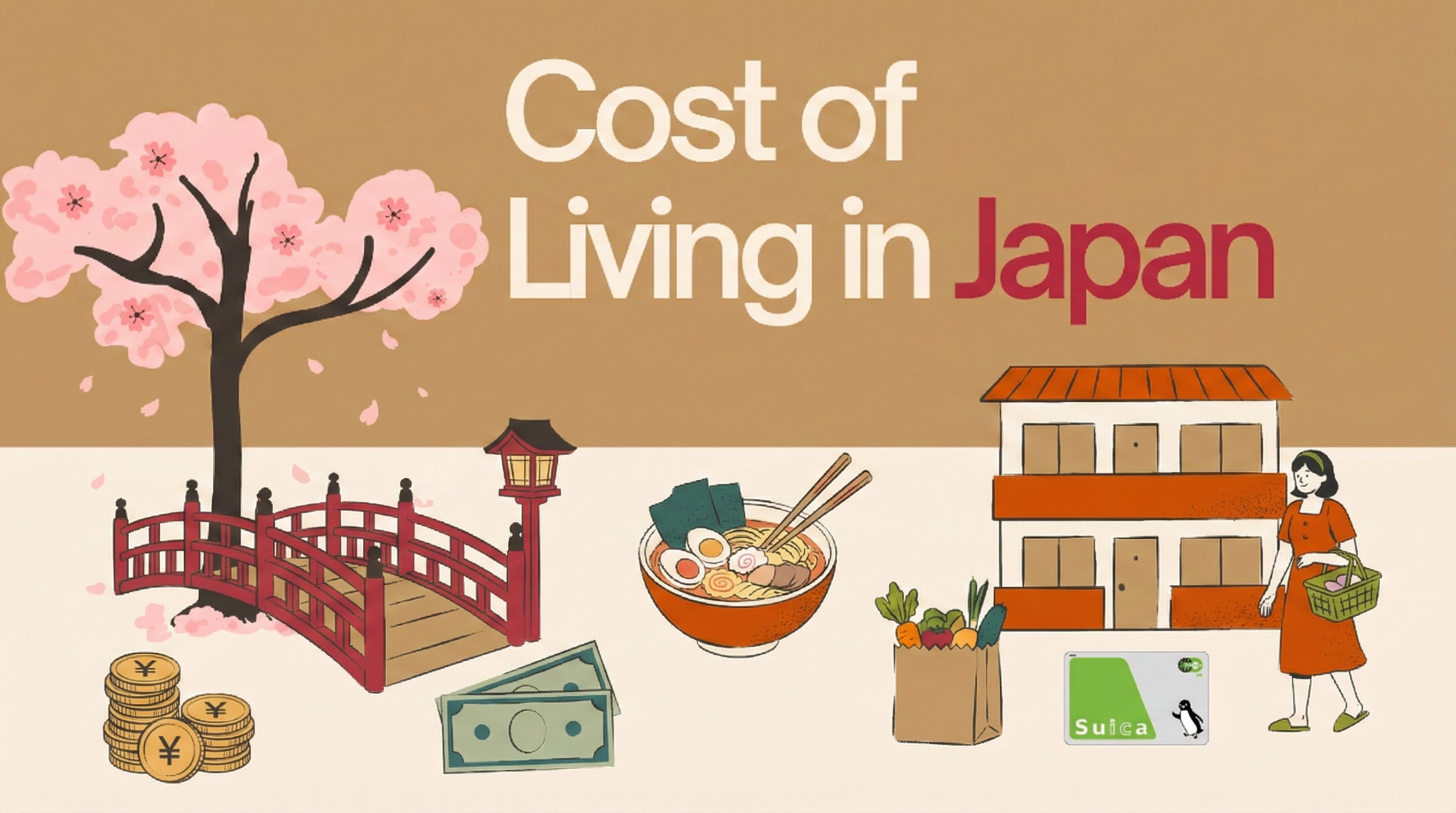
Tokyo often appears on rankings of the world’s more expensive cities, but the actual cost of living depends heavily on lifestyle, neighborhood, and income source.
In recent years, Japan’s prices have been relatively stable compared with the sharper inflation seen in some Western countries, which can make everyday expenses feel more manageable for some residents.
For people earning income from abroad, especially in stronger currencies, certain costs such as rent outside central Tokyo, food from supermarkets, and public transport can be relatively favorable.
At the same time, imported goods, international schools, and central-city housing remain costly, so the overall affordability will vary by individual priorities and spending patterns.
Looking at detailed budget categories such as housing, utilities, transport, food, and leisure, it gives a clearer picture than relying on city-wide “expensive” rankings alone.

Housing Cost
Housing in Japan is notoriously expensive in major cities like Tokyo, with expats often spending a high percentage of their salary on rent. Older Japanese-style apartments may be more reasonably priced but don't afford the space that expats may be used to. The demand for housing far outstrips the supply, and as one of the world's most densely populated countries, this contributes to astronomical accommodation costs.

Food
Expats can find some bargain buys or cheap but tasty food somewhere in Japan, but generally, food and dining out can be expensive. A Yoshinoya beef bowl (gyūdon) set meal costs between ¥500 and ¥850, while a set meal at an average local café (kissaten) can range from ¥800 to ¥1,500.

Transportation
Public transport in Japan is cheap, clean, and reliable, making it the preferred mode of transportation for most people. A Tokyo Metro trip from Shibuya to Shinjuku with an IC card costs ¥170 while a short JR Yamanote Line loop ride costs between ¥150 and ¥280.

Groceries
To estimate the average cost of groceries per week, you can calculate the total cost of these items based on your consumption and preferences. Considering the prices provided, a rough estimate for a single person's weekly grocery expenses in Japan could range from ¥2,000 to ¥4,000, depending on the quantity and quality of items purchased.
Finding the Right Housing in Japan
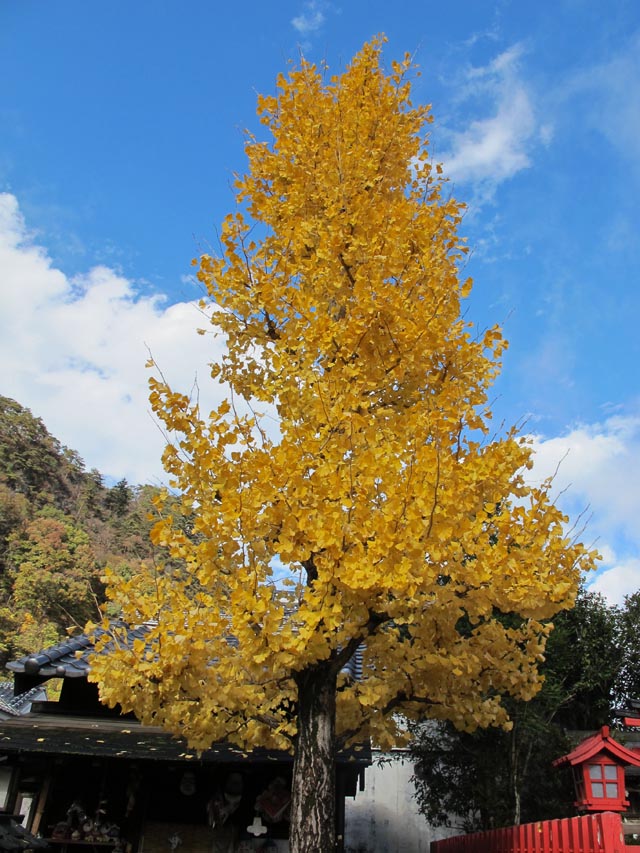
Housing options for expats moving to Japan are diverse, with renting being the most common entry point due to high upfront costs and market dynamics. Choices range from furnished short-term apartments to long-term rentals and share houses, tailored to budgets and locations like Tokyo or regional cities.
Rental Basics
Most expats rent via real estate agents (fudosan), facing “upfront fees” of 4-6 months’ rent: deposit (shikikin), key money (reikin), agent fees, and management fees—though “zero reikin” listings are increasingly common to attract foreigners. Apartments are classified by layout (1R for studios, 1LDK for families), with modern “manshon” offering Western amenities like bathtubs and aircon; older units save money but may lack space or insulation.
Tokyo averages ¥87,000/month for a 20-30m² 1K in central areas, dropping to ¥40,000-¥60,000 in suburbs like Saitama; Osaka or Fukuoka hit ¥50,000-¥70,000. Leases are typically 2 years, with no-fee English services via sites like GaijinPot or Oakhouse aiding non-Japanese speakers.
Furnished and Short-Term
Serviced apartments (minpaku or monthly manshon) provide turnkey solutions for 1-12 months, fully furnished with utilities/WiFi included, starting from ¥300,000 in Tokyo—perfect for job hunters or families transitioning. Platforms like Sakura House or Sakura Internet offer expat-focused options with English support and proximity to stations.
Buying Property
Foreigners face no legal barriers to buying, needing only residence status and finances; expect 10-30% down payments on condos (¥50-100 million in Tokyo suburbs). Mortgages require stable income and Japanese language skills, with annual property taxes at 1.4% of assessed value. Rural areas offer bargains (¥10-20 million houses), but resale is tough without citizenship.
What are the best neighbourhoods to live in Japan for expats
Expats in Japan gravitate to neighborhoods blending English services, international communities, transport links, and family amenities, primarily in Tokyo, Osaka, Yokohama, and Fukuoka. Choices depend on lifestyle, central buzz for singles or green suburbs for families.
| Neighbourhood | The Attractions |
|---|---|
| Shibuya-ku (Hiroo/Ebisu) - Tokyo | A safe, quiet, and upscale residential area providing international schools and amenities, abundant green spaces, and excellent connectivity to central Tokyo. |
| Minato-ku (Azabu/Roppongi) - Tokyo | Offers a highly international community, luxury residences, top-tier amenities, and convenient access to embassies, international schools, and central business districts. |
| Naka-ku - Yokohama | Beautiful waterfront views, historic parks, and a very large international community. |
| Umeda/Namba - Osaka | Vibrant city life, world-famous food scene, and excellent transit links. |
| Meguro-ku (Nakameguro) - Tokyo | Trendy, laid-back atmosphere with the famous Meguro River cherry blossoms and designer boutiques. |
| Chuo-ku (Kachidoki/Tsukishima) - Tokyo | High-rise "bay view" living with modern amenities, popular with expat families and close to Ginza. |
| Sawara-ku (Nishijin/Momochi) - Fukuoka | Coastal living with access to beaches, parks, and highly-regarded international school options. |
| Ota-ku (Denenchofu) - Tokyo | With a peaceful, suburban atmosphere, spacious standalone homes, top-level privacy and security, lush greenery, and a family-friendly setting. |
| Setagaya-ku (Futako Tamagawa) - Tokyo | Offers a relaxed, family-friendly atmosphere, spacious modern residences, scenic riverside greenery, international amenities. |
Understanding the Japanese Education System

Japan offers a wide range of education options for expat families, including international schools and local Japanese schools. International schools in Japan follow various curricula such as British, American, International Baccalaureate (IB), and other country-specific systems.
These schools are known for their high academic standards and are a popular choice among expat families seeking continuity in their children’s education.
Japan’s education system is diverse, with a mix of public and private institutions offering local, international, and bilingual programmes. While Japanese public schools primarily teach in Japanese, some private and international schools provide instruction in English or a combination of languages.
Expats moving to Japan with children may choose international schools that align with their home-country curriculum, or local schools for deeper cultural immersion and language development.
For families relocating to Japan, there are various education options available to suit different needs and preferences.
Here are some key points based on our research and understanding:
Most expats opt for international schools, particularly in Tokyo and Yokohama. These schools often follow the IB (International Baccalaureate) or American/British curricula.
Compulsory education consists of 6 years of Elementary (Shogakko) and 3 years of Junior High (Chugakko). While free for residents, the instruction is entirely in Japanese. Many wards offer Japanese as a Second Language (JSL) support for foreign children.
- Nishimachi International School
Close to Azabu Juban K5 to G9 Coed - International School of the Sacred Heart
Close to Hiroo K3 to G12 All girls - American School in Japan (Early Learning Center)
Close to Roppongi Preschool to K5 Coed (Chofu Campus K5-G12) - British School in Tokyo
Close to Roppongi K3 to G6 Coed (Showa Campus G7-G13) - Tokyo International School
Close to Azabu Juban K3 to G12 Coed (New campus in Takanawa from Summer 2026)
In summary, public schools are free for compulsory years (ages 6-15), accepting foreign kids with Japanese instruction and optional language support; school year runs April-March. No legal mandate for expat children, but integration aids socialisation
Crown’s school search service can be of great help if you have no idea where to start.
Navigating Japanese Healthcare Systems
Japan’s healthcare ranks among the world’s top systems – indices for quality, efficiency, and outcomes like life expectancy. It’s a universal social insurance model (National Health Insurance for self-employed/expats or Employees’ Health Insurance for workers), requiring coverage for all residents over 3 months.
Most clinics operate on a first-come, first-served basis rather than appointments. Go early in the morning to avoid long waits. Also, few doctors speak fluent English outside of major “expat-friendly” hospitals (like St. Luke’s International Hospital in Tokyo), so having a translation app is handy.
Here are key points that you as an expat should take note of:
All residents are required to join either National Health Insurance (NHI) (if self-employed or a student) or Employee Health Insurance (provided by your employer). You register for NHI at your local Ward Office (Kuyakusho).
Japan does not typically use a “GP” gatekeeper system. You can go directly to a specialist (e.g., a dermatologist or ENT) at a local clinic. You must present your insurance card at every visit.
In an emergency, dial 119. Note that ambulances in Japan take you to the nearest hospital that has an available bed and a matching specialty, rather than the one you might prefer.
The system covers ~70% of approved costs (medications, hospital stays, etc.), with patients paying 30% co-pay at point-of-service – though rates adjust: 20% for kids under 6 or some seniors, 10% for 75+ (higher for wealthy).
Expats living in Japan can apply for an Individual Number Card (My Number Card) either online or at their local municipal office. After receiving the card, you can register it as your health insurance card, making it easier to access medical services in Japan. When you visit a clinic, hospital, or pharmacy, the My Number Card automatically verifies your public health insurance details, streamlining the check‑in process.
Anyone enrolled in Japan’s National Health Insurance or Employees’ Health Insurance can receive medical treatment at approved healthcare facilities with a standard co‑payment, while the remaining costs are covered by insurance premiums. This system ensures affordable, reliable healthcare access for expats across Japan.
Employer-sponsored plans are standard, or NHI premiums (~¥8,000-¥20,000/month) apply otherwise.
Routine visits cost ¥3,000-¥5,000 out-of-pocket; emergencies use 119 ambulances efficiently.
Quality is universal, but rural access lags; supplements like Aetna cover evacuations.
In addition, expats may choose private healthcare services, which often provide shorter waiting times, English-speaking medical staff, and more personalised care, particularly in major cities.

Taxes and Obligations in Japan for Foreigners
Exploring Japanese Culture and Cuisine: What to Expect as an Expat
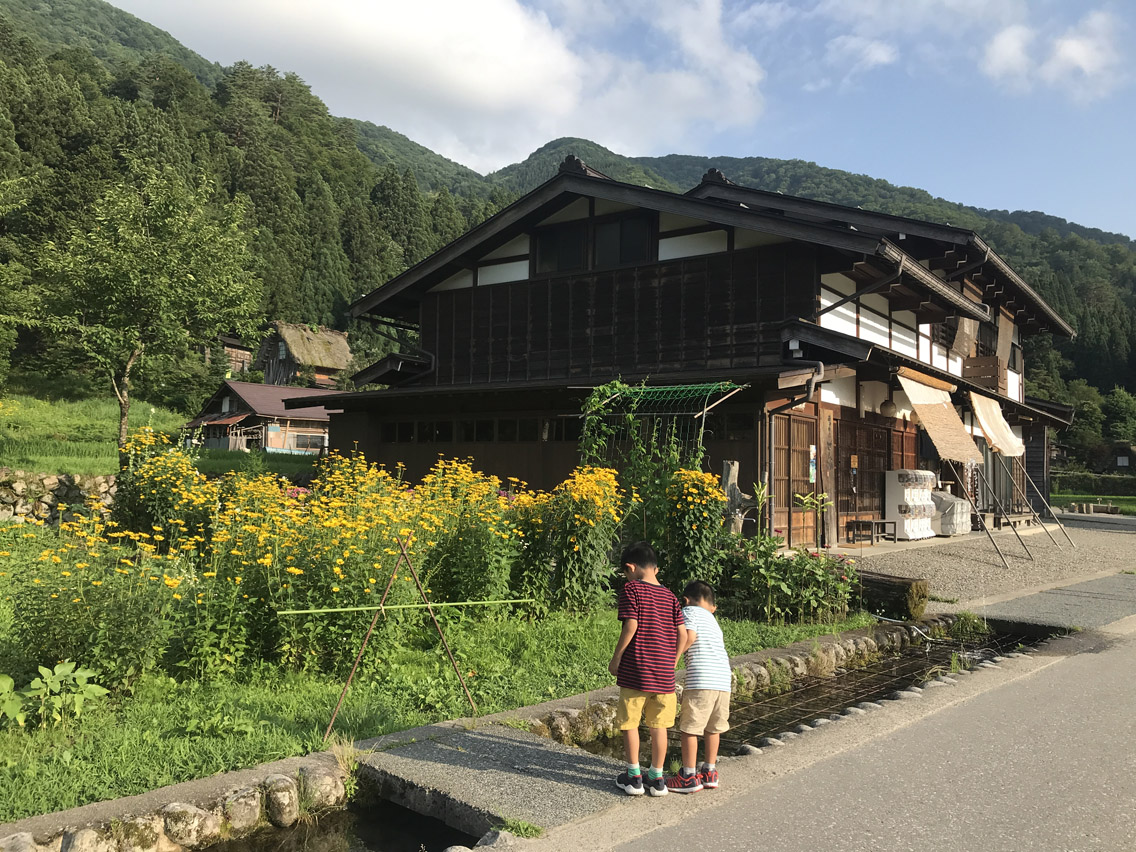
As an expat in Japan, you’ll experience a unique blend of tradition and modern life. The country is known for its rich cultural heritage, strong social etiquette, and deep-rooted history. Japanese is the main language, though English is commonly used in international business settings in major cities.
Life in Japan can be fast-paced, especially in cities like Tokyo and Osaka, with a strong work culture and long hours. However, seasonal events such as cherry blossom viewing and traditional festivals offer opportunities to socialise and connect with local communities.
Daily life is made easier by Japan’s efficient, clean, and reliable public transport system, though limited English outside urban areas may present some challenges. Adapting to local customs and communication styles can take time but is often a rewarding experience.
Japan also offers an outstanding culinary scene, from everyday local dishes like sushi and ramen to regional specialities, street food, and Michelin-starred dining.
Conclusion
Relocating to Japan is a transformative experience, but the logistical hurdles, from navigating the CoE process to deciphering complex rental agreements – require expert navigation.
We are here to simplify your journey. Our dedicated move managers provide end-to-end support, including secure international shipping, pet relocation, and comprehensive home search services to help you find the right neighborhood.
Beyond moving your belongings, we offer orientation trips and intercultural training to help your family integrate seamlessly into Japanese society. With our local expertise, you can focus on the excitement of your new life while we handle the complexities of the move.

No One Knows Better Than Us.
Get moving with our free moving quote form and let us take care of the rest!
