 International
  Kenya
Kenya  South Africa
  Australia
  New Zealand
  China
China  Hong Kong
  Japan
Japan  Macau
Macau  Mongolia
  South Korea
  Taiwan
  Austria
  Belgium
  Czech Republic
  Denmark
  France
  Germany
  Ireland
  Italy
Italy  Netherlands
  Norway
  Poland
  Spain
Spain  Sweden
  Switzerland
  Turkey
  United Kingdom
  Saudi Arabia
  United Arab Emirates
  Canada
  Mexico
  United States
  Bangladesh
  India
India  Sri Lanka
  Cambodia
  Indonesia
  Malaysia
  Philippines
  Singapore
  Thailand
  Vietnam
 Your Abu Dhabi Move at a Glance

Visa is Linked to Job
our employer sponsors your Residence Visa. Once you land, getting your Emirates ID and passing a medical test are your first priorities.

Tax-Free Salary
The biggest perk! Salaries are tax-free. Budget in AED (Dirhams). It’s an expensive city, but your earning potential is high. Rent is the main expense.

Apartments & Villas
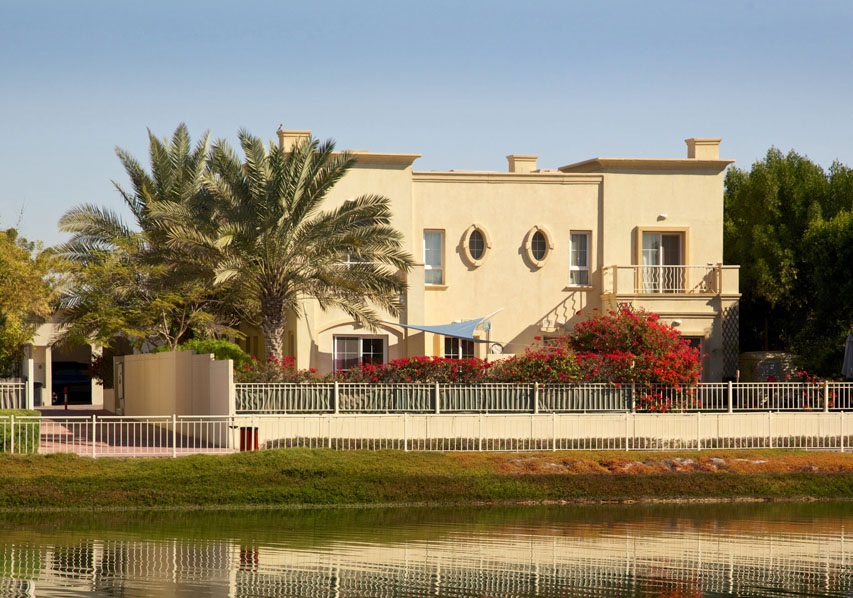
Most expats live in modern high-rise apartments (Al Reem Island) or spacious suburban villas (Khalifa City). Rent is often paid annually in 1-3 cheques.

First Week Admin
Get a local SIM (Etisalat/Du), open a bank account, and start your Emirates ID medical test. Your company’s PRO will guide you.
Finding Work in Abu Dhabi
Abu Dhabi’s economy is strong, driven by government, oil and gas, finance, and a growing tech and tourism sector. The biggest draw for most expats is the tax-free salary.
The Cost of Living in Abu Dhabi
Abu Dhabi offers expatriates a high standard of living within a well-planned, modern city.
While overall living costs are generally lower than in many global capitals, monthly expenses for a single person can vary widely depending on lifestyle, housing choice, and family needs.
Accommodation is typically the largest expense, particularly in popular expat communities, followed by utilities, food, and transportation.
The absence of personal income tax helps offset living costs, making Abu Dhabi an attractive destination for professionals and families.
Below is a snapshot of Abu Dhabi’s cost of living from an expatriate perspective, with estimated figures to help you plan your move with confidence.

Abu Dhabi is an expensive city, but the tax-free salary and high quality of life offset it. Rent will be your largest expense. All costs are in UAE Dirhams (AED).

Rent (1-bed apt, Al Reem)
Often paid annually or in 2-4 cheques, not monthly. You'll need a large amount upfront for rent and deposit. Estimated monthly cost around 5,000 - 8,000 AED per person.

Phone & Internet
Etisalat and Du are the two main providers. Home internet packages are often bundled with TV. Estimated monthly cost around 300 - 500 AED per person.

Utilities (DEWA/ADDC & A/C)
A/C is essential and runs 24/7 in summer, which is your main cost. You also pay a 5% "Baladiya" (municipality fee) on your rent, split over 12 months. Estimated monthly cost around 600 - 1,200 AED per person.

Transport (Car/Taxis)
Petrol is cheap and most expats drive. Taxis (Careem/Uber/local) are plentiful and reasonably priced. Estimated monthly cost around 1,000 - 2,000 AED per person.

Groceries
Lulu and Carrefour are standard. Spinneys and Waitrose are more expensive and stock imported UK/US goods. Estimated monthly cost around 1,500 - 2,500 AED per person.
Navigating the Abu Dhabi Rental Market
Finding a home is straightforward, but the payment system is the biggest shock for new expats. Get ready to write some big cheques!
The Process & Key Terms
Where to Look
The main portals are Bayut.com and PropertyFinder.ae. You will almost always deal with a real estate agent (broker).
The Upfront Cost (The Big One)
Rent is typically paid annually in 1, 2, or 4 post-dated cheques. Monthly payments are rare (but becoming more common). You’ll need your first rent cheque, a 5% security deposit, and a 5% agent’s fee all at once.
Tawtheeq Registration
Your rental contract MUST be registered with Tawtheeq, the official municipality system. This is mandatory for setting up your water and electricity (ADDC) account.
Expat Tip!
Many employers offer an interest-free “rental loan” to cover the large upfront cost, which they then deduct from your monthly salary. Ask your HR department about this!
Where to Live: Best Abu Dhabi Areas for Expats
Abu Dhabi is less sprawling than Dubai and very family-friendly. Your choice will depend on your budget and proximity to work or schools.
| Neighbourhood | The Attractions |
|---|---|
| Al Reem Island, Al Raha Beach | The most popular expat spots. Expect new buildings, fantastic facilities (pools, gyms), supermarkets, and waterfront views. Al Reem is central; Al Raha is closer to Dubai. |
| Saadiyat Island, Yas Island | This is resort-style living. Saadiyat has stunning beaches, museums (the Louvre), and luxury villas. Yas has F1, theme parks, and modern apartments. Both are top-end. |
| The Corniche, Al Khalidiya | Live in the heart of "downtown." Buildings are older but apartments are often huge and more affordable. You're right on the beautiful Corniche beach and near all the shops. |
| Khalifa City, MBZ City | Further out from the city centre, these areas offer large, spacious villas with private gardens for a fraction of the price. Very popular with families and teachers for the space. |
Life in Abu Dhabi: Getting Around & Your First Week
Relocating to Abu Dhabi calls for thoughtful preparation, but with the major steps behind you, it’s time to settle in and start enjoying your new surroundings. From organising essential paperwork to understanding how the city moves and operates day to day, the first week is about building confidence and routine.
Here’s how to get your essentials in order, navigate Abu Dhabi’s transport and lifestyle with ease, and begin feeling at home in the UAE’s capital.
Getting Around the City
Abu Dhabi is a car-centric city. The roads are wide, modern, and petrol is very cheap. Driving is the easiest way to get around.
Driving: Most expats buy or lease a car. You can use your home license for a short time but will need to convert to a UAE license once you have your Emirates ID.
Taxis & Ride-Hailing: Local taxis are cheap and plentiful. Apps like Careem (the local Uber) and Uber itself are widely used and reliable.
Buses: The public bus network is clean, modern, and very cheap. You’ll need a “Hafilat” card to use it.
Payment: Don’t buy paper tickets. Use a contactless card/phone or get an Oyster card. Your fares are automatically capped daily and weekly, so you never overpay.
Your First Week Checklist
1. Start your Emirates ID Process
Your PRO will schedule your medical test and biometrics appointment. This is your number one priority as you can’t do anything else without it.
2. Get a Local SIM Card
Get a prepaid SIM from Etisalat or Du at the airport. You can convert this to a post-paid plan once you have your Emirates ID.
3. Open a Bank Account
You’ll need your passport and a letter from your employer (and eventually your Emirates ID). ADCB, FAB, and HSBC are popular expat choices.
4. Get Groceries Delivered
Download the “Talabat” or “Deliveroo” app. You can get groceries (and takeaway) delivered to your hotel or temporary accommodation very easily.
Expat Tip:
For driving, Waze is a lifesaver. For taxis, download Careem. And be aware of the “Salik” road tolls, which are automatically charged to a tag on your windscreen.
Embracing the Culture: Life in the UAE
Abu Dhabi isn’t just a place to live — it’s a way of life shaped by tradition, respect, and modern global influence. From the calm rhythm of daily routines to the warm hospitality shown in both professional and social settings, the city offers a cultural experience that is welcoming yet deeply rooted in local customs.
Start by exploring traditional souks, cultural landmarks, and neighbourhood cafés, where Emirati hospitality is most evident. Community events, art exhibitions, and family-friendly festivals provide excellent opportunities to meet people and build connections within the city’s diverse expatriate community.
You’ll quickly notice the importance placed on courtesy, modesty, and patience in everyday interactions. Small gestures — such as greeting others politely, dressing appropriately in public spaces, and being mindful of local traditions — go a long way in helping you settle in comfortably.
Abu Dhabi also offers plenty of space to slow down and unwind. From the Corniche and Saadiyat’s beaches to public parks and waterfront promenades, the city balances urban living with moments of calm and reflection.
As a multicultural city, Abu Dhabi brings together people from all over the world. Whether you’re experiencing Ramadan traditions, attending international food festivals, or enjoying global cuisine across the city, embracing this cultural blend will help Abu Dhabi quickly feel like home.
Here are a few things that may feel unfamiliar at first — but soon become part of everyday life.

You’ll hear the beautiful call to prayer from mosques five times a day. Be mindful and respectful, especially during the holy month of Ramadan.
The UAE weekend is now Saturday and Sunday, with a half-day on Friday for prayers. This aligns it with most of the world, which is a huge bonus!
While tolerant, it’s respectful to dress modestly in public places like malls and government buildings. Cover your shoulders and knees. Swimwear is fine at pools and beaches.
You’ll hear “Inshallah” (“God willing”) a lot. It’s a polite way of saying “if all goes to plan” and can sometimes mean a non-committal “maybe.”
Abu Dhabi is one of the safest cities in the world. Crime is extremely low, and it’s a fantastic, secure environment to raise children.
Life is very convenient. You can get almost anything (food, groceries, cleaning, petrol) delivered to your door 24/7. Tipping is appreciated but not mandatory.
Ready to move to Abu Dhabi?
Moving to Abu Dhabi is more than a change of address — it’s the beginning of a new lifestyle shaped by opportunity, comfort, and cultural discovery. From settling into your new home to understanding local customs and daily routines, each step brings you closer to feeling at ease in the UAE’s capital. The key is allowing yourself time to adjust, explore, and embrace the city’s pace with confidence.
That’s where Crown Relocations can help. With decades of experience supporting expatriates and families relocating to the UAE, we make every stage of your move seamless — from international moving logistics and customs clearance to home search, school placement, and comprehensive settling-in support. Our goal is simple: to remove the complexity of relocation, so you can focus on enjoying life in Abu Dhabi.
So take a moment, look ahead to what’s next, and get ready to call Abu Dhabi home — we’ll take care of the rest.

No One Knows Better Than Us.
Get moving with our free moving quote form and let us take care of the rest!
