 International
  Kenya
Kenya  South Africa
  Australia
  New Zealand
  China
China  Hong Kong
  Japan
Japan  Macau
Macau  Mongolia
  South Korea
  Taiwan
  Austria
  Belgium
  Czech Republic
  Denmark
  France
  Germany
  Ireland
  Italy
Italy  Netherlands
  Norway
  Poland
  Spain
Spain  Sweden
  Switzerland
  Turkey
  United Kingdom
  Saudi Arabia
  United Arab Emirates
  Canada
  Mexico
  United States
  Bangladesh
  India
India  Sri Lanka
  Cambodia
  Indonesia
  Malaysia
  Philippines
  Singapore
  Thailand
  Vietnam





South Korea is a country of rapid transformation, where centuries-old palaces sit in the shadow of gleaming skyscrapers. For expats, it offers a high-octane lifestyle, incredible safety, and world-class infrastructure. However, the systems for banking, internet, and housing are unique and can be baffling to newcomers.
To ensure your move to the “Land of the Morning Calm” is successful, here is your essential guide to the five key pillars of settling in.
Understanding the South Korea Visa Process
The South Korean visa process is highly structured. For most long-term expats, the process begins with a Certificate of Confirmation of Visa Issuance (CCVI). This document is typically applied for by your employer or sponsor in South Korea through the local immigration office. Once approved, you use the CCVI number to apply for the actual visa at a Korean embassy in your home country.
South Korea uses a granular visa system, with different categories for workers, students, spouses, and highly skilled professionals; choosing the right visa at the start makes life much easier later. Most long-term expats will hold a Residence Card (formerly known as the Alien Registration Card), which acts as your local ID for everything from banking to health insurance.
After arrival, all expats staying longer than 90 days must apply for a Residence Card at their local immigration office.

Types of Visas Available for Expats
The most common work visas include E-2 (Foreign Language Teaching), E-1 (Professor), and E-7 (Special Occupation for professionals). There is also the D-8 visa for corporate investors and the D-9 for international trade.
The F-3 visa is for dependents of work visa holders. The F-2 (Resident) and F-5 (Permanent Resident) are for long-term dwellers, often obtained through a points-based system that considers education, income, and Korean language proficiency (TOPIK).
A newer pilot program allowing remote workers earning over ~₩85 million KRW annually to stay for up to 2 years (though it does not grant local employment rights).
From arrival to registration
Once you arrive with a long-term visa:
- You must apply for a Residence Card at the local immigration office within a set period (often 90 days), bringing your passport, photos, contract or enrolment letter, and housing documentation.
- Your Residence Card number will be requested when you open a bank account, sign mobile contracts, or enroll in National Health Insurance, so factor processing time into your move.
- If you change address, job, or school, you are generally required to update immigration authorities to remain compliant.
The Residence Card: Upon arrival, your top priority is applying for your Residence Card at the local immigration office. You literally cannot function without this card, it is required to sign a phone contract, open a bank account, and sign a lease.
Cost of Living in South Korea
Seoul is frequently cited as one of Asia’s more expensive cities, yet actual living costs are defined less by rankings and more by lifestyle, location, and income structure.
South Korea’s relatively stable pricing environment offers predictability for internationally mobile professionals, particularly when compared with the sharper cost fluctuations seen in many Western markets.
For those earning in stronger foreign currencies, everyday expenses—such as premium local dining, domestic services, and transport—can represent strong value, especially outside Seoul’s most exclusive districts.
However, prime residential property, international education, and luxury or imported goods remain premium-priced. A clear understanding of costs comes from evaluating lifestyle-specific priorities rather than relying on broad city-wide comparisons.

Housing Cost
Most expatriates relocating to South Korea choose to live in villas - low‑rise residential buildings with multiple units - or in mixed‑use residential complexes, which are popular for their convenience and accessibility. Rental costs can differ significantly across South Korea, influenced by factors such as location, building age, and unit size.

Food
Eating out in South Korea is relatively budget‑friendly, with many local eateries offering affordable daily meals. Expatriates can keep food costs low by dining at neighbourhood restaurants or canteens, while international cuisine and upscale districts tend to be more expensive.

Utilities
Utility costs in South Korea are generally predictable for expatriates, though they can fluctuate by season. Electricity, heating and gas usage tends to increase during winter and summer due to floor heating systems and air conditioning, particularly in older buildings and high‑density urban apartments.
Finding the Right Housing in South Korea
Types of Accommodation
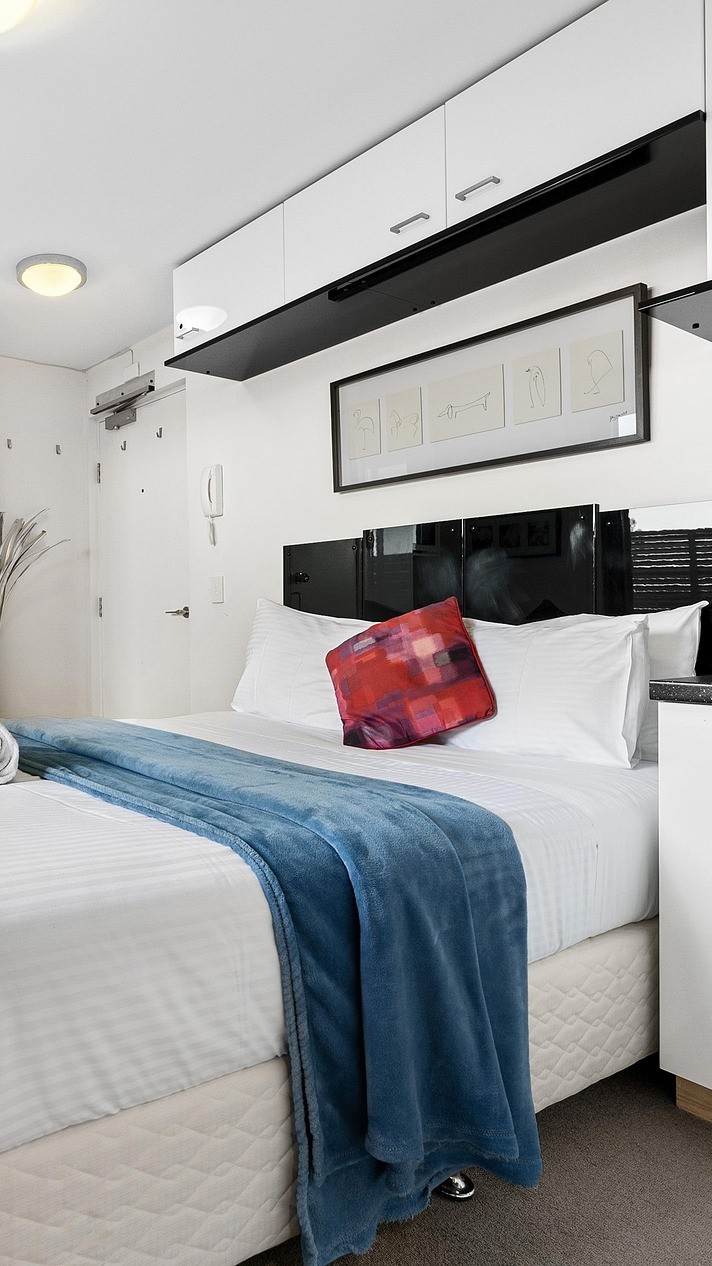
Many expatriates in South Korea choose housing options that are relatively easy to secure with a reasonable deposit and straightforward registration using a foreign address. Two common choices are mixed‑use residential complexes and villas, which are especially popular for their practicality, availability, and comparatively lower upfront costs.
- Mixed‑use residential complexes: High‑rise apartment buildings that combine residential and commercial spaces; they are generally more affordable than large, modern apartment complexes while still offering convenience and accessibility.
- Villas: Low‑rise apartment buildings, usually 3 to 5 stories, often older in style but more budget‑friendly than major residential complexes.
What are the best neighbourhoods for expats in South Korea?
Expats in South Korea gravitate to neighborhoods blending English services, international communities, transport links, and family amenities, primarily in Seoul, Busan, Incheon, and Daegu. Choices depend on lifestyle, central buzz for singles or green suburbs for families.
| Neighbourhood | The Attractions |
|---|---|
| Itaewon / Hannam-dong - Seoul | The traditional international hub; home to embassies and diverse global cuisine. |
| Gangnam-gu - Seoul | Upscale living, major business HQs, and elite private education centers (Hagwons). |
| Songdo - Incheon | A "Smart City" with modern high-rises, parks, and several international universities. |
| Yeouido - Seoul | The financial district; great for professionals and close to the Han River Park. |
| Haeundae - Busan | Coastal living with high-end luxury apartments and famous beaches. |
| Pyeongtaek - Gyeonggi | Large expat community due to the US military base; plenty of Western-style amenities. |
Understanding the South Korean Education System

Education is highly valued in South Korea. While the public system is rigorous and high-achieving, it is instructed entirely in Korean.
If you are moving with children, understanding the South Korean education system and your schooling options is essential, because the pressures and expectations in local schools are quite distinct from many Western systems.
Families typically choose between local public schools, private institutions, and international schools, balancing language immersion, curriculum, and budget.
Here are some key points based on our research and understanding:
Most expat families choose Foreign Schools (Oegugin Hakkyo). These are concentrated in Seoul (Yongsan, Gangnam), Songdo, and Jeju Global Education City. They offer American, British, or IB curricula.
Even if attending international schools, many expats utilize Hagwons (private academies) for extracurriculars like music, sports, or additional language support.
Public schools are tuition-free. While they offer high academic standards, the environment is intensely competitive, and instruction is 100% in Korean. This is generally only recommended for younger children who can adapt linguistically or families planning to stay permanently.
For expat families, schooling in South Korea generally comes down to a choice between local Korean schools and international schools, each with clear trade-offs. Local public schools are affordable and academically strong but teach mainly in Korean and follow an intensive, exam-focused culture, which can be challenging without solid language support.
International schools, mostly clustered in and around Seoul and Incheon with a few in other cities, offer English-medium curricula such as IB, American, or British systems and smoother pathways to overseas universities.
Crown’s school search service can be of great help if you have no idea where to start.
Navigating South Korean Healthcare Systems
South Korea’s healthcare system combines universal coverage through the National Health Insurance Service (NHIS) with high-quality hospitals and clinics, making it attractive for expats who understand how to enroll and budget for premiums. Foreign residents staying longer than six months are typically required to join NHIS unless covered by an employer plan or exempt due to certain short-term conditions.
Here are key points that you as an expat should take note of:
Expats staying longer than six months are automatically enrolled in the NHIS. If you are employed, your company will register you and split the premiums. If you are a student or freelancer, you must pay a monthly premium yourself.
Under NHIS, patients typically pay a co-payment of:
- 20% for inpatient hospital care.
- 30%–50% for outpatient visits at clinics or general hospitals.
- 30% for prescriptions at pharmacies.
Healthcare in South Korea is incredibly fast. You can often walk into a specialist clinic (ENT, Dermatology, etc.) without an appointment and be seen within 15 minutes.
- International Clinics: Major hospitals like Severance Hospital (Sinchon) and Asan Medical Center have dedicated International Healthcare Centers with English-speaking staff.
- Medical Referral Service: You can call 1339 (Korea Disease Control and Prevention Agency) for 24/7 medical information and translation help.
What’s covered and what isn’t
NHIS generally covers:
- Clinic and hospital visits with co-pays in the low tens of thousands of KRW per visit.
- Emergency services, including ambulance and emergency room care, subject to partial co-pays.
- Prescription medications, with many common drugs subsidized.
- Periodic health checkups, often every two years for most workers.
Coverage for dental, vision, and mental health is partial, basic dental work (exams, fillings) and psychiatric consultations are often subsidized, while more extensive treatments and talk therapy may require additional private coverage or out-of-pocket payment.
Many expats supplement NHIS with a private top-up policy for broader hospital choice, private rooms, and better coverage for dental, maternity, or international evacuation, especially if they travel frequently or have ongoing medical needs.

Tax implications for expats
Cultural Adaptation: What to Expect as an Expat
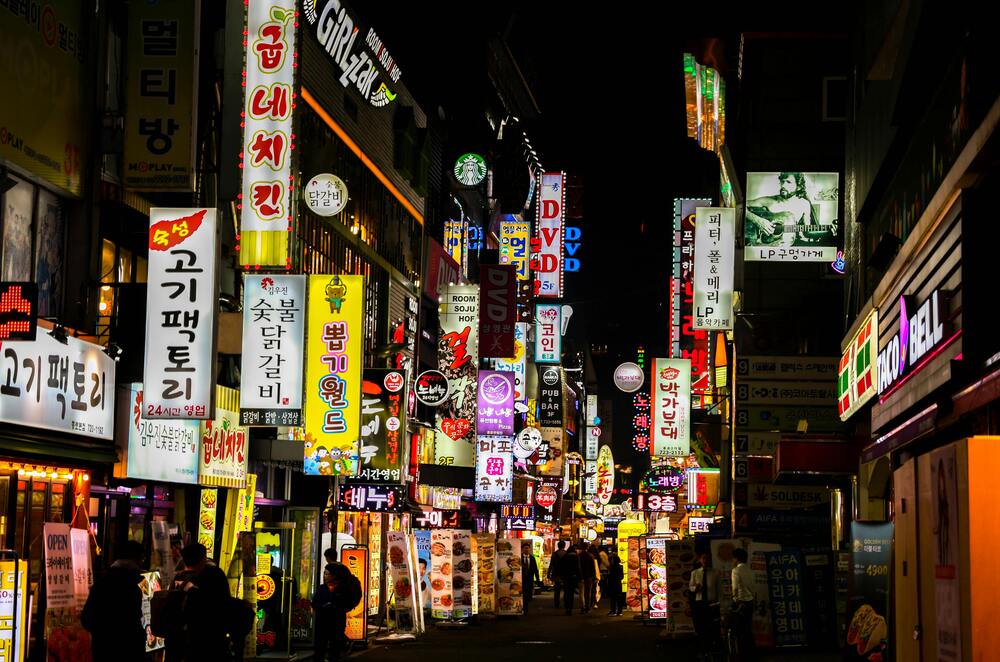
Korean living and workplace culture is deeply rooted in the spirit of Jeong (정) — a unique sense of warmth, connection and genuine care that forms naturally between people over time. This culture of mutual support creates an environment where newcomers feel welcomed and included. For many expatriates, this sincere human connection becomes one of the most memorable and rewarding aspects of living and working in South Korea.
While South Korea’s high‑context culture may feel different at first, many expatriates find it deeply rewarding once they understand its rhythm. Communication often relies on subtle cues — a concept known as nunchi, which emphasises awareness and consideration for others. Workplaces value respect for experience, collaborative decision‑making, and harmonious relationships. Instead of direct refusals, softer expressions like “that may be difficult” are commonly used to maintain goodwill.
Tips for Smooth Integration
Learn basic Korean phrases like polite greetings (annyeonghaseyo) and titles (-nim) to show respect and ease daily interactions. Participate in group activities such as shared meals, noraebang (karaoke), or festivals to build bonds, while observing local behaviors before acting. Join expat groups, language exchanges, or Meetups for support, establish routines like weekly walks, and embrace local food (kimchi, bibimbap) to foster openness.
Conclusion
Relocating to South Korea is an exciting chapter, but the complexities of finding the right housing and the CCVI visa process can be daunting. Crown Relocations is here to simplify your transition. Our expert move managers provide end-to-end support, including secure international shipping, professional packing, and pet relocation.
We also offer specialized destination services, such as orientation tours of expat-friendly neighborhoods like Itaewon and Songdo, and assistance with finding the right international schools for your children. With our local presence and global expertise, we ensure you settle into your new Korean life with confidence and ease.

No One Knows Better Than Us.
Get moving with our free moving quote form and let us take care of the rest!
