 International
  Kenya
Kenya  South Africa
  Australia
  New Zealand
  China
China  Hong Kong
  Japan
Japan  Macau
Macau  Mongolia
  South Korea
  Taiwan
  Austria
  Belgium
  Czech Republic
  Denmark
  France
  Germany
  Ireland
  Italy
Italy  Netherlands
  Norway
  Poland
  Spain
Spain  Sweden
  Switzerland
  Turkey
  United Kingdom
  Saudi Arabia
  United Arab Emirates
  Canada
  Mexico
  United States
  Bangladesh
  India
India  Sri Lanka
  Cambodia
  Indonesia
  Malaysia
  Philippines
  Singapore
  Thailand
  Vietnam
 Whether it be for exceptional safety standards, high-quality food or the unique cultural blend of modernity and tradition, the Land of the Rising Sun continues to grow in appeal among people around the world.
Japan has plenty to offer, with world-class public transport, a strong economy and career growth opportunities, but how expensive is it to live there? Could it be a destination to consider?
In this article, we evaluate the cost of living in Japan using data provided by Numbeo. To help Hong Kong readers better understand the costs involved, key figures are presented in Hong Kong dollars (HKD).
Please note: all cost estimations are accurate as of June 2026, and are subject to change.
Summary: How does Japan’s cost of living compare to Hong Kong?
- Japan’s cost of living is overall around 38% lower than Hong Kong (excluding rent).
- Rent prices, groceries and dining out are generally much more affordable in Japan.
- Note that average salaries after tax are lower in Japan than in Hong Kong, which should be considered if you’re looking for employment.
- Overall living costs, including rent, are around 54% lower in Japan than in Hong Kong.
Cost of living: Hong Kong vs Japan (at a glance)
Japan overall is considered more affordable than Hong Kong, but specific costs will depend on where in Hong Kong you are moving from and where in Japan you plan to live. It will also depend on your lifestyle.
Typical price differences include:
- Rent: Rental prices in Japan are around 77% lower than in Hong Kong.
- Dining out: Restaurant prices are around 36% lower in Japan.
- Groceries: Grocery prices are approximately 24% lower in Japan.
- Transport: Public transport costs are generally lower, while fuel prices are significantly cheaper in Japan.
- Utilities: Basic utility costs are typically lower in Japan, although mobile phone and broadband services can be more expensive.
However, you should also consider that average salaries after tax are lower in Japan than in Hong Kong, which may be a factor if you are planning to seek employment there.
Housing
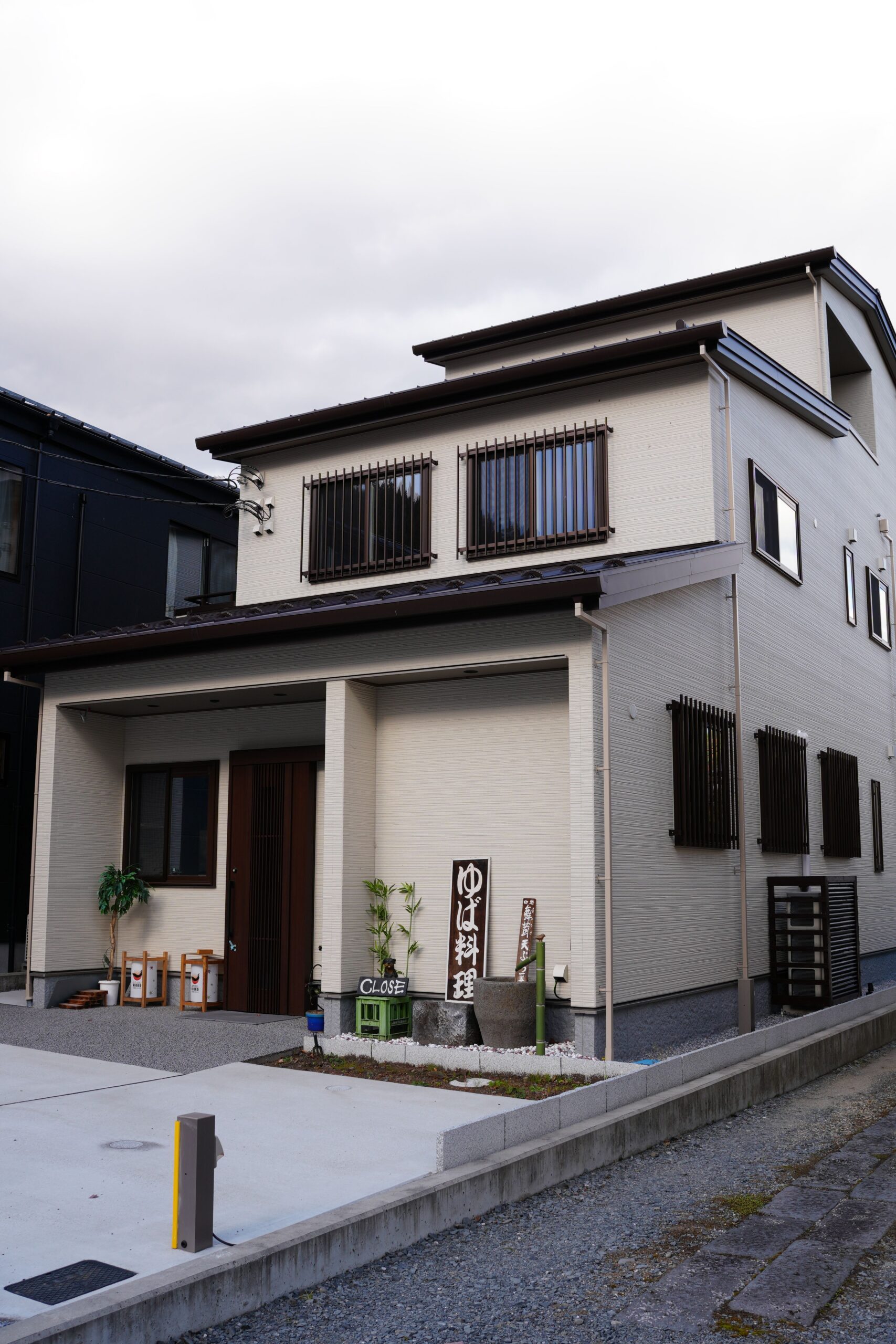
Despite popular belief, homes in Japan are not always smaller than those in Hong Kong. While apartments in major Japanese cities can be compact, housing costs are generally much lower than in Hong Kong, meaning you may be able to get more for your money.
Costs will, of course, depend on factors such as location and proximity to schools or local amenities. However, below are some average monthly rental prices in popular locations across Japan:
Tokyo: A one-bedroom apartment in the city centre will cost around ¥201,500 (approximately HK$10,750), falling to ¥104,368 (HK$5,570) in more suburban areas. A three-bedroom apartment costs around ¥373,118 (HK$19,900) in the city centre and ¥209,653 (HK$11,180) outside the centre.
Osaka: Renowned for its vibrant nightlife, a one-bedroom apartment in central Osaka averages around ¥112,000 (HK$5,970), compared with ¥84,000 (HK$4,480) outside the city centre. For a three-bedroom apartment, costs are approximately ¥283,250 (HK$15,100) in the centre and ¥126,056 (HK$6,720) outside.
Hiroshima: Rebuilt after the war, this modern city will cost around ¥50,666 (HK$2,700) for a one-bedroom apartment in the city centre and ¥35,000 (HK$1,870) in more suburban areas. A three-bedroom apartment costs approximately ¥110,000 (HK$5,860) in the centre and ¥79,000 (HK$4,210) outside.
Kyoto: The former imperial capital averages around ¥89,505 (HK$4,770) for a one-bedroom apartment in the city centre and ¥51,820 (HK$2,760) outside. For a three-bedroom apartment, prices average around ¥281,333 (HK$15,000) and ¥123,333 (HK$6,580) respectively, depending on proximity to the city centre.
If you’re relocating with family, housing decisions are often closely tied to school locations and commute times, so it’s worth planning ahead.
Groceries & everyday spending
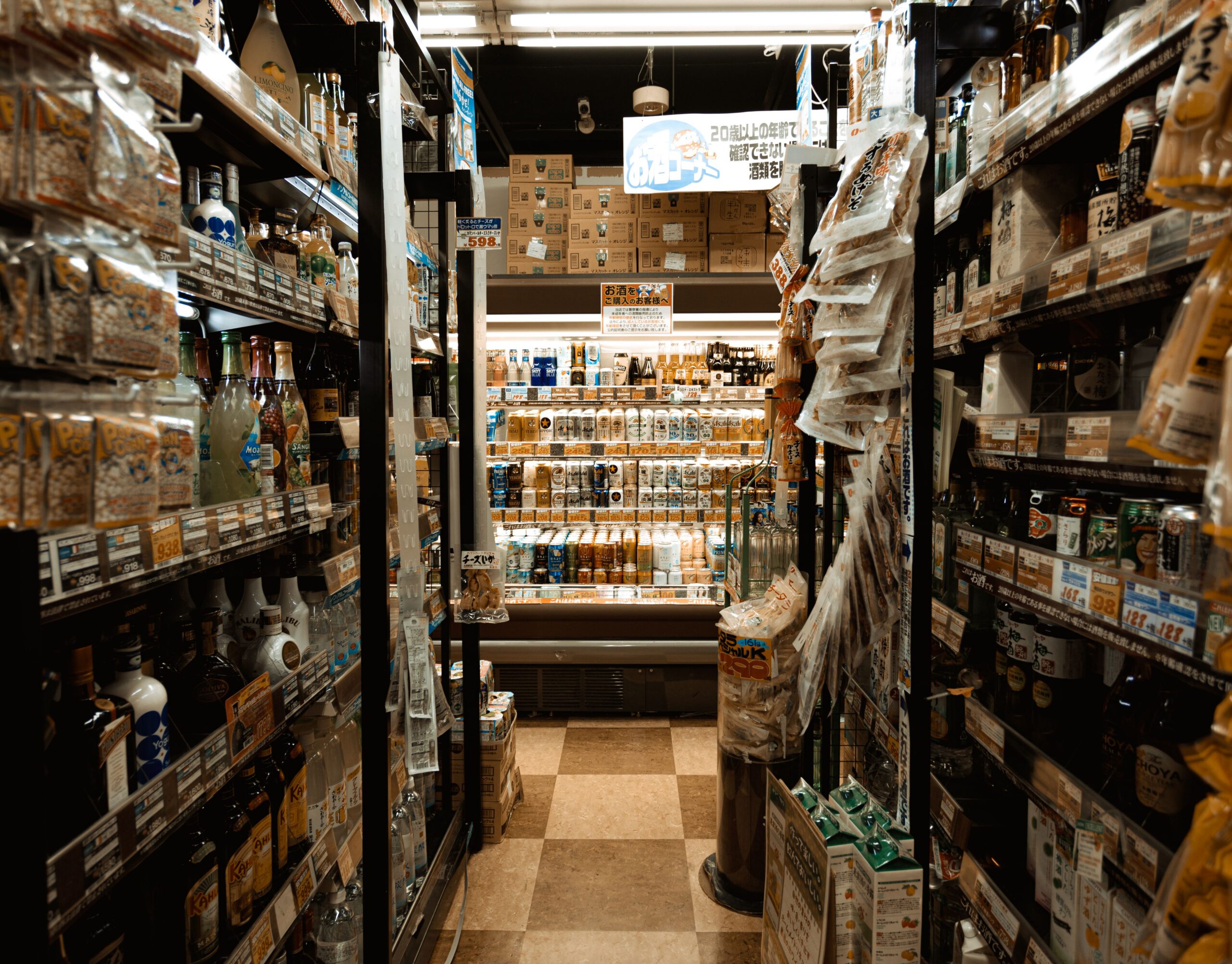
Grocery costs and everyday spending will vary depending on the products you buy. Meat, particularly beef, can be relatively expensive in Japan due to limited farming land and import costs. Rice prices have also risen in recent years because of lower production, tighter supplies and increased demand.
Average cost of typical grocery items (in HKD)
Item |
Hong Kong |
Japan |
Milk (1L) |
HK$23.86 |
HK$11.06 |
Eggs (12) |
HK$27.28 |
HK$15.68 |
Cheese (1kg)* |
HK$188.91 |
HK$87.28 |
Bread (White Loaf) |
HK$16.05 |
HK$10.08 |
White Rice (1kg)* |
HK$17.10 |
HK$38.12 |
Beef (1kg)* |
HK$156.35 |
HK$140.83 |
Chicken (1kg)* |
HK$71.43 |
HK$48.41 |
Apples (1kg)* |
HK$31.70 |
HK$37.08 |
Potatoes (1kg)* |
HK$19.42 |
HK$20.86 |
Wine |
HK$130.00 |
HK$65.11 |
*Converted from Numbeo’s reported measurements for comparison purposes.
Summary: While some items such as rice, fruit and certain imported goods may be more expensive, many everyday grocery items are cheaper in Japan than in Hong Kong. Planning meals and shopping locally can help keep household costs under control.
Transport
If there’s one thing the Japanese get right, it’s their transport.
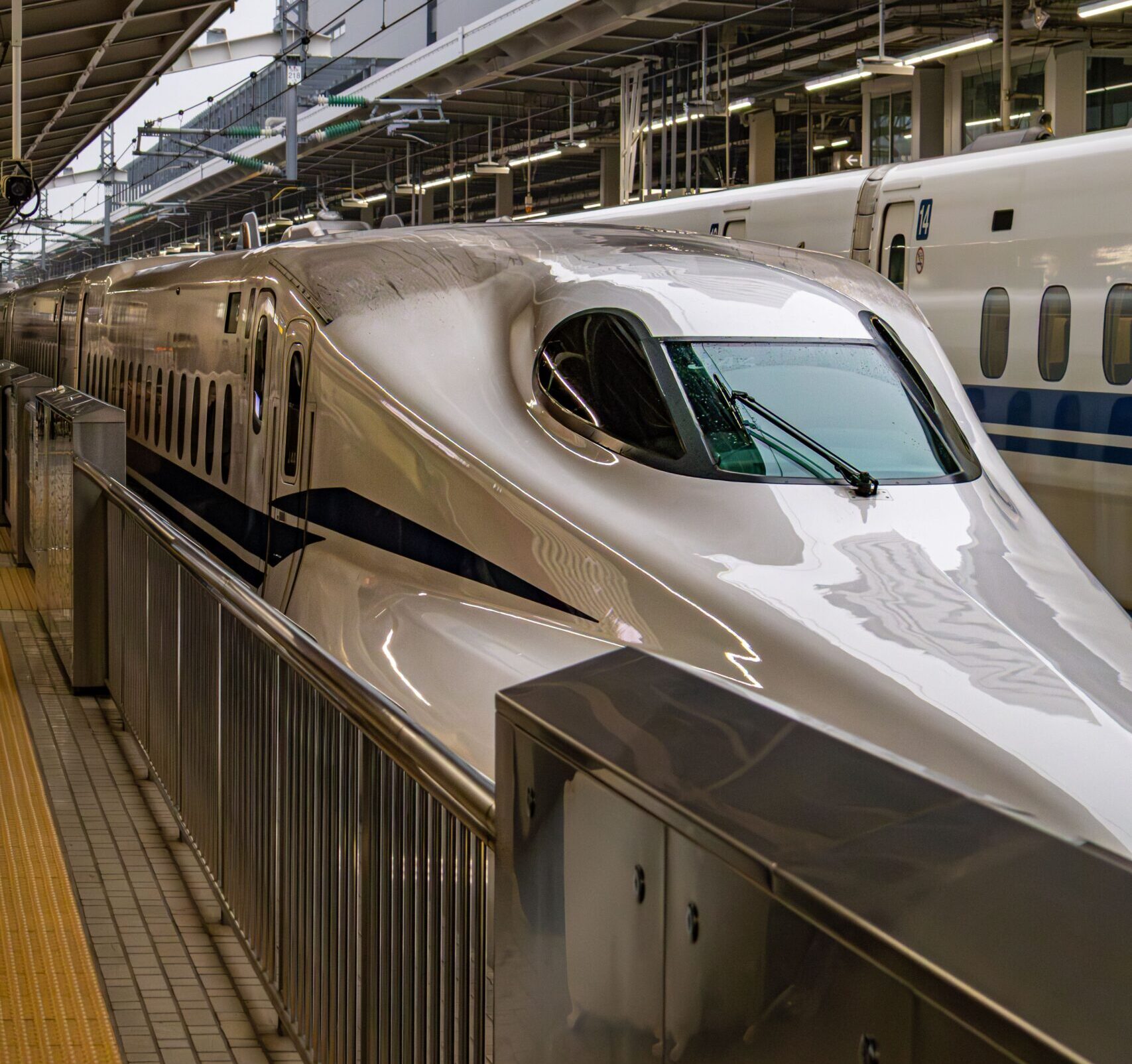
Renowned for its efficiency, punctuality and cleanliness (and sometimes even themed trains), Japan’s public transport system is highly regarded around the world – and can often be more affordable than in Hong Kong.
- A one-way ticket on local transport costs around HK$10.85.
- A monthly public transport pass costs around HK$434.
- One liter of petrol costs approximately HK$8.31.
Thanks to Japan’s extensive public transport network, owning a car is not essential for most residents. However, vehicle purchase prices are generally lower than in Hong Kong.
Bullet trains connecting major cities can be more expensive, with a one-way trip between Tokyo and Kyoto typically costing around HK$330 – 360. If you plan to make several long-distance journeys, rail passes may offer better value. (fare guidance based on typical Shinkansen pricing)
However, taxis can be expensive for longer journeys, so public transport is often the more cost-effective option.
Healthcare
Japan does not have a free healthcare system, meaning residents are typically responsible for a portion of their medical costs.
However, Japan’s social insurance-based healthcare system helps keep costs manageable. In many cases, residents pay around 30% of eligible medical expenses, while the country’s high-cost medical expense benefit system places limits on monthly out-of-pocket costs based on income.
Those employed in Japan will usually contribute to Social Health Insurance through payroll deductions, with employers often sharing part of the cost.
Japan’s healthcare system is also known for its efficiency, often providing faster access to specialists without the need for a referral from a general practitioner (GP).
Read more about the Japanese Healthcare System here!
Education
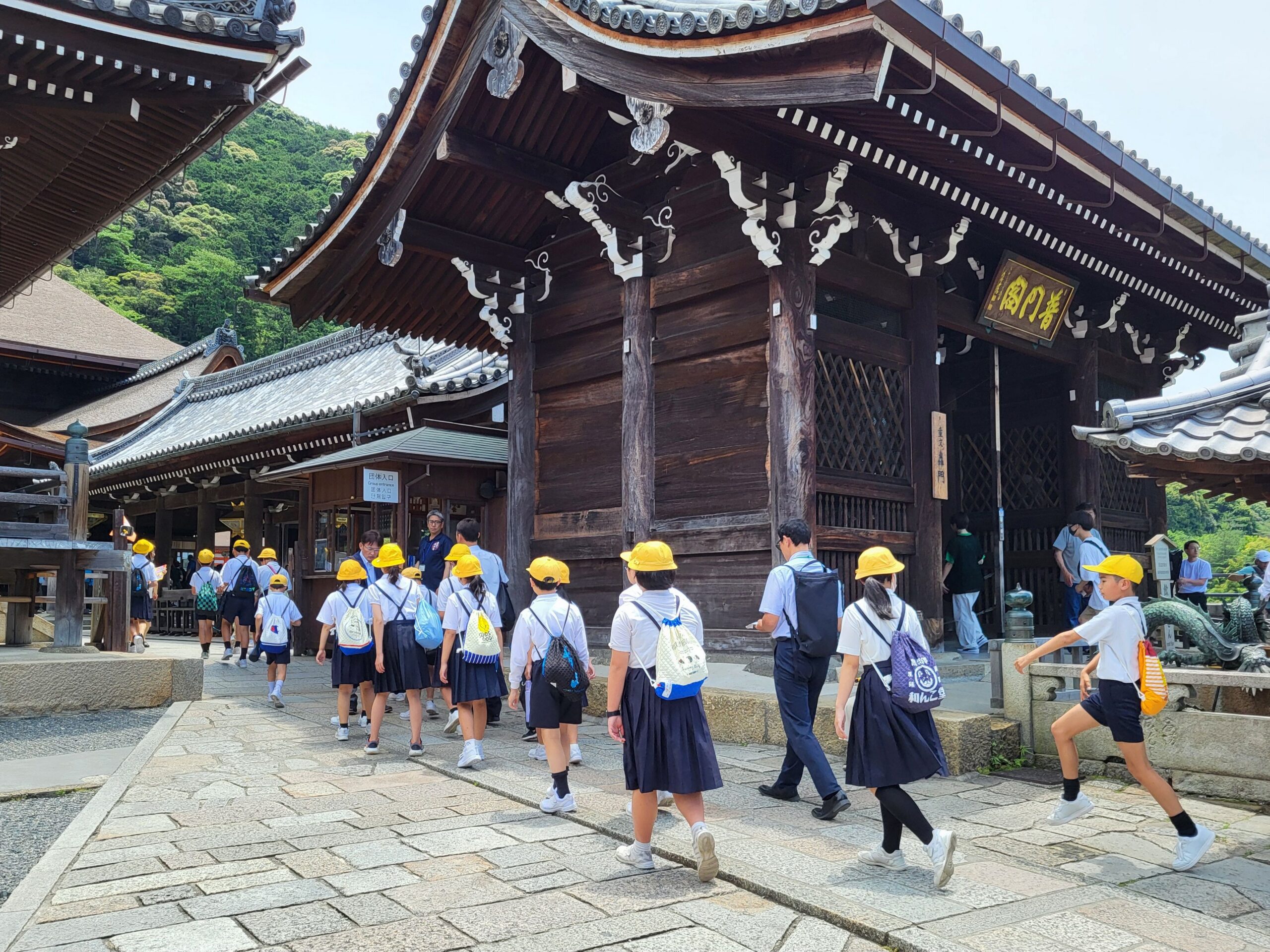
Japan has one of the most unique and successful education systems in the world. If you’re relocating with children, schooling will likely be one of your most important considerations.
Options include:
- Public schools
- Private schools
- International schools
International schools, in particular, can be among the more significant expenses for expatriate families, especially in major cities such as Tokyo and Osaka.
It’s important to note that the Japanese academic year begins in April rather than August or September. As a result, many families begin their school search early, often before finalising their housing arrangements.
Other costs in Japan
Below are some additional average costs you may encounter in everyday life:
- Monthly gym membership: HK$408
- Cinema ticket: HK$96
- Dining out: HK$48 – HK$274, depending on where you go
- Beer: HK$24 – HK$29
- Cappuccino: HK$24
- Bottled water: HK$6
Things to consider before you move
While the lower cost of living and rental prices are attractive, there are a few important factors to keep in mind:
- Currency fluctuations can impact your budget if you’re earning in Hong Kong dollars (HKD)
- Location choices can significantly influence housing costs
- Lifestyle expectations will shape your overall spending
Every move is different, and understanding these factors early can help you plan more effectively.
Planning Your Move
Relocating internationally involves more than simply comparing costs.
From shipping your belongings to finding the right neighbourhood and settling into a new environment, having a clear plan can make a significant difference.
At Crown Relocations, we support individuals and families moving from Hong Kong to Japan with services including:
- Packing and shipping
- Storage solutions
- Relocation planning and guidance
Our goal is simple: to help make your move as smooth and stress-free as possible, so you can focus on enjoying your new lifestyle.
Final Thoughts
Moving from Hong Kong to Japan can offer a more affordable cost of living, particularly when it comes to housing and everyday expenses. However, like any international move, success comes down to careful planning.
Understanding where you could save, where you may spend more, and how your lifestyle expectations fit into the bigger picture is key to making the most of your relocation.
If you’re thinking about making the big move, don’t hesitate to contact our friendly team of experts today!
FAQs: Moving to Japan from Hong Kong
Generally, yes. Overall living costs in Japan are significantly lower than in Hong Kong, particularly when it comes to rent, groceries, dining out and transportation. However, actual expenses will vary depending on the city you choose and your lifestyle.
The amount will depend on factors such as your location, household size, accommodation choices and spending habits. Cities such as Tokyo tend to be more expensive than regional centres like Hiroshima, but overall living costs in Japan are generally lower than in Hong Kong.
Housing is typically the largest monthly expense, especially in major cities such as Tokyo and Osaka. However, rental costs are generally much lower than in Hong Kong, often allowing families and professionals to secure more living space for their budget.
Popular destinations include Tokyo, Osaka, Kyoto and Yokohama. Tokyo offers the largest international business community, while Osaka provides a lower cost of living and a vibrant lifestyle. Kyoto appeals to those seeking cultural heritage, and Yokohama is popular with families due to its international schools and residential communities.
Japan operates a social health insurance system rather than a free public healthcare model. Residents normally contribute through mandatory health insurance and pay a portion of medical costs, helping to keep healthcare affordable and accessible.
Many families find Japan attractive due to its high level of safety, quality healthcare, reliable public transport and strong education system. Schooling options include public schools, private schools and international schools, although international school fees should be factored into relocation budgets.
Beyond comparing costs, it is important to consider employment opportunities, housing location, schooling, healthcare arrangements, visa requirements, language differences and long-term lifestyle goals. Early planning can help ensure a smoother relocation experience.
Most international relocations benefit from several months of preparation. This allows time to arrange visas, research neighbourhoods, secure accommodation, coordinate shipping and prepare financially for the transition.
Crown Relocations supports individuals and families relocating from Hong Kong to Japan through services such as international shipping, packing, storage solutions, move planning and relocation guidance, helping make the transition smoother and more manageable.

