 International
  Kenya
Kenya  South Africa
  Australia
  New Zealand
  China
China  Hong Kong
  Japan
Japan  Macau
Macau  Mongolia
  South Korea
  Taiwan
  Austria
  Belgium
  Czech Republic
  Denmark
  France
  Germany
  Ireland
  Italy
Italy  Netherlands
  Norway
  Poland
  Spain
Spain  Sweden
  Switzerland
  Turkey
  United Kingdom
  Saudi Arabia
  United Arab Emirates
  Canada
  Mexico
  United States
  Bangladesh
  India
India  Sri Lanka
  Cambodia
  Indonesia
  Malaysia
  Philippines
  Singapore
  Thailand
  Vietnam
 Relocating overseas from Hong Kong with your family? Discover expert guidance on schooling, healthcare, housing, cultural adaptation and international relocation planning for a smoother transition to life abroad.
Why are Hong Kong families moving overseas?
Families relocate overseas from Hong Kong for many different reasons. For some, it is a career opportunity or an international assignment. Others may be seeking new educational opportunities for their children, a different lifestyle, closer proximity to family members overseas, or a long-term relocation plan.
Popular destinations for Hong Kong families include the United Kingdom, Australia, Canada, Singapore and New Zealand, each offering different advantages in terms of education, healthcare, career opportunities and quality of life.
Regardless of the destination, successful family relocations require careful planning that goes beyond logistics alone. Emotional wellbeing, schooling, housing and cultural adjustment all play an important role in helping families settle successfully.
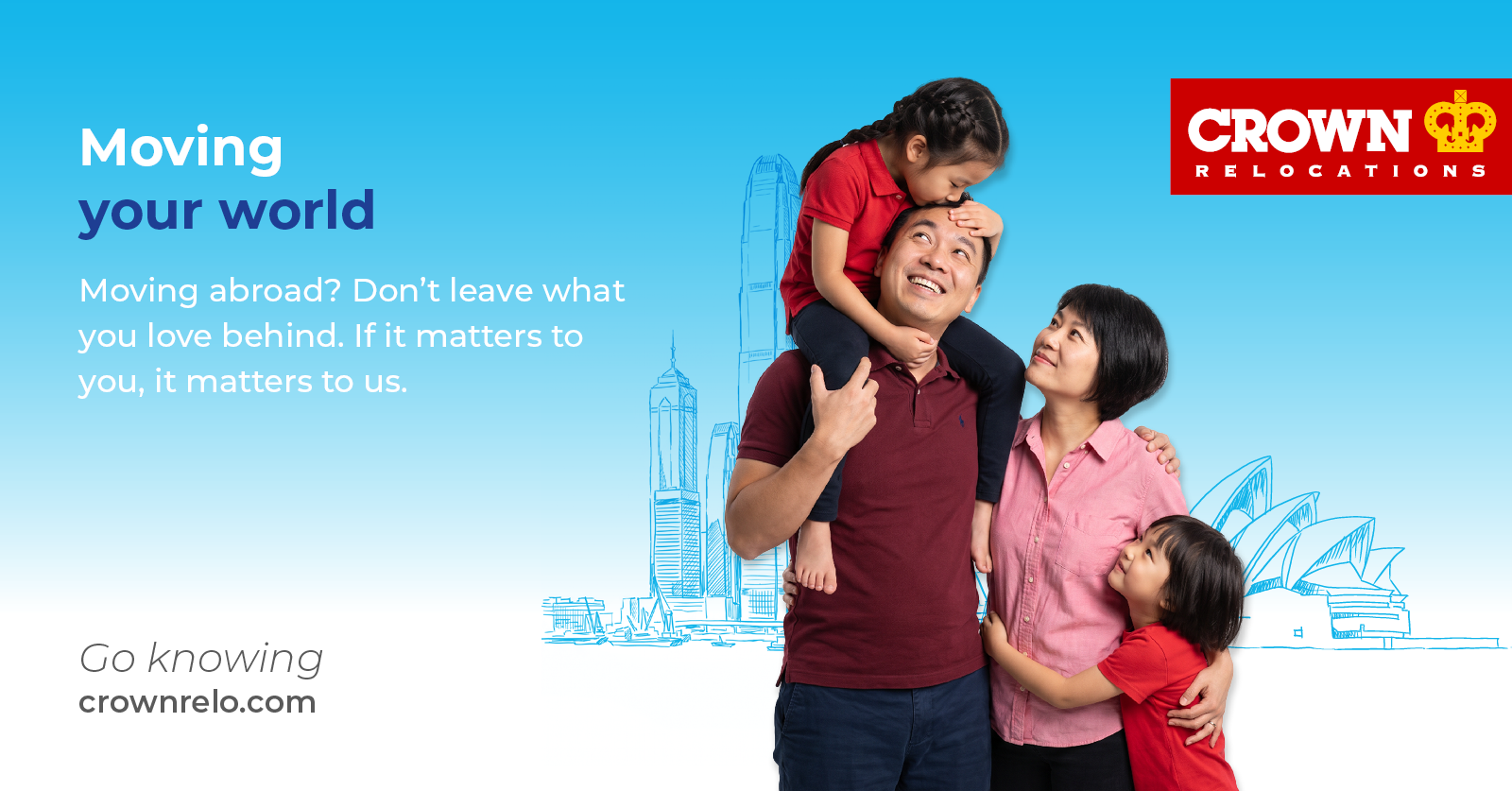
Why family moves need a different playbook
Moving overseas as a family is about far more than securing visas, arranging international shipping and finding a new home. Unlike individual relocations, family moves affect every member of the household, each with their own routines, expectations and concerns. Children may be adapting to a new school environment, parents may be navigating career changes, and families as a whole are often leaving behind established support networks, familiar communities and daily routines in Hong Kong.
Research and relocation experience consistently show that emotional wellbeing, cultural adjustment and a sense of belonging can have a significant impact on how successfully families settle into life abroad. The most successful relocations are often those that plan for the human side of the move as carefully as the logistical side.
By preparing for both the practical and personal aspects of relocation, families can adapt more confidently, settle in more quickly and create a stronger sense of home in their new destination.
The emotional journey: What to expect (and how to support it)
- Place attachment is real: We are shaped by the places we live and the relationships we build there. Leaving behind Hong Kong’s familiar routines, neighbourhoods, favourite local eateries and family networks can trigger feelings of loss and nostalgia for both adults and children. These emotions are a normal part of the relocation journey, so it’s important to acknowledge them and create space for open conversations.
- Belonging supports wellbeing: People adapt more successfully when they feel connected to their new environment. Building a sense of belonging in your destination country – through your neighbourhood, community groups, schools and daily routines – can play an important role in long-term wellbeing and happiness.
Tip: Create a “continuity list” as a family and identify two or three traditions you’ll continue after the move. It could be a weekly family video call with relatives in Hong Kong, a Sunday family outing, or a monthly virtual gathering with grandparents. Maintaining familiar routines can provide reassurance and stability during a significant life transition.
Cultural adaptation: Bridge the gap, don’t leap it
- Language and local culture: Even in English-speaking countries, local expressions, school expectations and workplace cultures can feel unfamiliar. Expect a learning curve and celebrate small wins along the way. If you’re relocating for work, discussing priorities with your employer – such as city versus suburban living, commute times and access to green spaces – can help support a smoother transition.
- Mapping family priorities: Ask each family member to identify their top three priorities for the move. These might include school preferences, proximity to relatives or community networks, access to parks, sports facilities or extracurricular activities. Using these priorities to guide neighbourhood selection can help families settle more quickly and build a stronger sense of belonging.

Schooling: Choosing the right fit for your child
- Curriculum continuity vs. local integration: Consider whether an international curriculum, such as the IB, IGCSE or A-Levels, will provide greater continuity for your child. Families relocating from Hong Kong may also wish to consider how a move could affect students currently studying under the HKDSE curriculum and whether alignment with the destination country’s education system is a priority.
- Admissions timelines and records: Start planning early. Request school reports, transcripts, vaccination records and any supporting documentation well in advance to avoid last-minute challenges once you have moved overseas.
- School visits and transitions: Where possible, arrange school visits – either in person or virtually – and explore orientation or buddy programmes that can help reduce first-day nerves and make the transition more comfortable.
These steps support the broader family wellbeing approach that Crown Relocations advocates: planning for the people involved in the move, not just the logistics.
Healthcare setup: Avoid the “week‑one scramble”
- Before you fly: Collect medical histories, prescriptions, and vaccination cards; confirm medication brand equivalents at destination.
- On arrival: Register with a local GP/family physician, understand emergency numbers, and identify nearby pediatric and dental clinics.
- Understanding healthcare system: Healthcare systems vary significantly between destinations. Some countries offer publicly funded healthcare systems, while others may require private medical insurance or a combination of both. Understanding these requirements before departure can help families avoid unexpected costs and administrative delays.
- Insurance: Clarify what’s covered during transit and after arrival – Crown Relocations’ content repeatedly emphasizes understanding your insurance and coverage windows as part of a resilient plan.
Housing: The right neighbourhood accelerates settling-in
- Proximity to school and work: Shorter commutes can reduce stress and create more time for family life, particularly during the first few months after relocating.
- Everyday amenities: Easy access to supermarkets, public transport, parks, healthcare facilities and community spaces can help families establish routines and feel at home more quickly.
- Temporary housing: Consider short-term accommodation, such as a serviced apartment, for the first few weeks while you explore different neighbourhoods. Coordinating your housing plans with the arrival of essential household items can also make the transition more comfortable.
Logistics for families: Make the move child-friendly
- Split shipments: Consider sending a small airfreight shipment containing essentials such as bedding, basic kitchen items, school supplies and children’s comfort items ahead of your main shipment. Your larger household goods can then follow by sea freight. This approach helps families settle in more comfortably during the first few weeks.
- Label by room and priority: Clearly labelling boxes according to room and unpacking priority. For example, “Children’s Bedroom – Open First” can make unpacking more efficient and reduce stress during the first few days in your new home.
- Assembly and unpacking services: Confirm whether furniture assembly, unpacking assistance and packing material removal are included in your move plan. Having a functional home from day one can make a significant difference to the settling-in experience.
Finances and paperwork: Reduce friction points
- Banking and budgeting: Research local banking options before you move and plan for initial expenses such as rental deposits, school fees, transportation costs and utility setup charges. Creating a realistic budget for your first few months overseas can help avoid unexpected financial pressure.
- Documents to prepare: Organise key documents in advance, including passports, visas, work permits, birth and marriage certificates, school records, vaccination records and a detailed inventory of shipped belongings. Having these documents readily available can help minimise delays and simplify administrative processes after arrival.
Community & continuity: Belong faster
- Community connections: Identify local community groups, cultural associations, language classes and places of worship before or shortly after arrival. Many communities offer programmes and events designed to help newcomers build connections and settle in more quickly.
- Sports and activities: Enrolling children in sports teams, music lessons, dance classes or other extracurricular activities can help them establish friendships, develop confidence and create a sense of routine in their new environment.
- Give it time: The first 30 to 60 days are often the most challenging. Set small, achievable milestones – whether it’s discovering a favourite local café, attending a community event or planning your first family day out – and take time to celebrate those wins along the way.
A Family Move Checklist (Hong Kong → Overseas)
8–12 Weeks Before Moving
- Hold a family discussion to identify priorities and shortlist potential neighbourhoods.
- Research schools and application timelines; gather school reports, transcripts and vaccination records.
- Arrange a pre-move survey and align your moving date with school admissions, work commitments and housing plans.
6–8 Weeks Before Moving
- Confirm insurance coverage and decide which items to send by air freight and sea freight.
- Prepare medical records and prescriptions, and check the availability of any regular medications in your destination country.
- Start building local connections through community groups, professional networks and parent forums.
2–4 Weeks Before Moving
- Pack an “open-first” box with essential household items and children’s necessities.
- Finalise temporary accommodation and plan school and work commuting arrangements.
- Arrange mail redirection and notify utility providers, banks and other service providers of your move.
Arrival Week
- Register with a local doctor or healthcare provider.
- Set up mobile phone, banking and essential household services.
- Attend school orientation activities and explore your local neighbourhood.
- Plan a family outing or activity to help establish new routines and create a sense of familiarity.

How Crown Relocations supports families beyond the move
At Crown Relocations Hong Kong, supporting families goes beyond coordinating international shipping and moving logistics. Successful relocation is about helping people settle into a new environment and feel confident in their new lives from day one.
From move planning and destination services to practical settling-in support, our team helps families navigate the challenges that come with relocating overseas. Whether it’s understanding local neighbourhoods, preparing for a new school system or managing the practical details of an international move, we take a whole-family approach to relocation.
Our guides, resources and relocation expertise are designed to support both the practical and personal aspects of a move, helping families feel prepared not just for the journey, but for life in their new destination.
Planning a family move from Hong Kong?
Whether you’re relocating to the United Kingdom, Australia, Canada, Singapore, New Zealand or another destination, Crown Relocations Hong Kong can help simplify every stage of your family’s international relocation journey. 
Speak to a Crown Relocations Hong Kong Move Manager today for personalised relocation advice, including moving timelines, schooling considerations, shipping options and practical support tailored to your family’s needs.
Because a successful move is about more than getting there – it’s about helping your family feel at home, wherever life takes you.
