 Do You Need Transit Protection When Moving Overseas from Singapore?
When hiring a professional moving company to relocate overseas from Singapore, you would naturally expect your belongings to be handled with care. After all, you are already paying for professional packing, transportation and delivery. So, shouldn’t your belongings be protected if something goes wrong?
While professional movers take precautions to minimise damage, international shipping involves several stages that are not entirely within their control. Your belongings might travel by truck, spend weeks inside a shipping container, pass through customs and remain in temporary storage before reaching your new home.
If you are researching moving insurance in Singapore, understanding how transit protection works can help you decide whether additional coverage is necessary for your international relocation.
What Is Transit Protection and How Does It Work?
Transit protection is a form of financial protection that covers specified loss or damage to your belongings while they are being transported from one location to another.
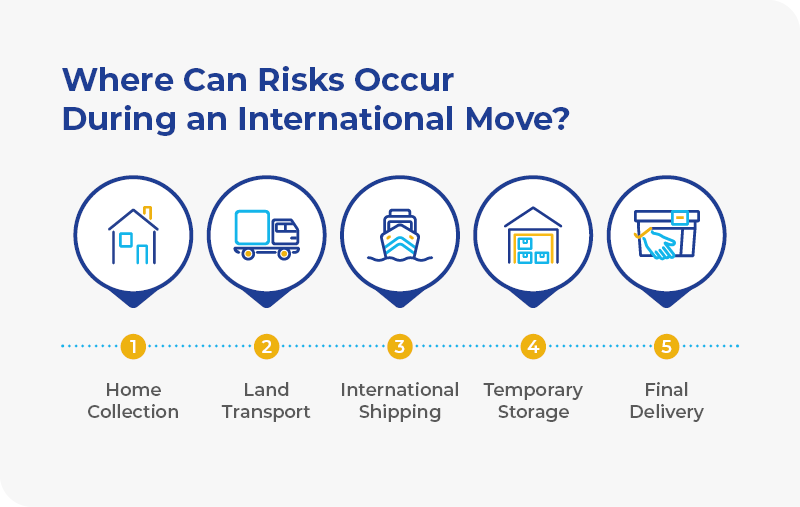
During an international move, household belongings pass through several stages:
- Collection and loading at your Singapore residence.
- Transportation to a warehouse or shipping facility.
- International shipping by sea, air or land.
- Customs clearance and temporary storage.
- Final delivery to your overseas residence.
Depending on your chosen policy, transit protection can provide compensation for covered items that are lost or damaged during transportation. Put simply, transit protection helps reduce the financial burden of replacing or repairing belongings if something goes wrong during an international move.
Isn’t My Shipment Already Protected by the Moving Company?
Professional moving companies are responsible for handling your belongings according to their service agreements. However, this does not necessarily mean they will reimburse you for the full replacement cost of every item that is lost or damaged.
A moving company’s liability may be limited by its contractual terms, especially when an incident occurs outside its direct control.
For example, imagine shipping a dining table worth S$2,000 from Singapore to Australia. If the table is damaged during transportation, the amount you can recover may depend on the mover’s liability terms and whether you have arranged additional transit protection. Without suitable coverage, you could find yourself paying a substantial portion of the replacement cost.
What Could Go Wrong During a Move?
International moving involves more than loading belongings onto a truck and delivering them to another address. Depending on your destination, your shipment may travel thousands of kilometres and pass through several transportation facilities.
1. Damage During Transportation
Household belongings may be exposed to movement, vibration and handling throughout their journey. Although protective packing materials help reduce these risks, fragile furniture, glassware and electronic equipment can still sustain damage.
2. Accidental Loss or Missing Items
International shipments often involve multiple handling stages, especially when belongings are transferred between warehouses and transportation providers. While professional inventory systems help track shipments, there’s always the possibility of accidental loss.
3. Unexpected Shipping Conditions
Sea freight shipments may encounter changing weather conditions, temperature fluctuations and humidity. These conditions can affect certain materials and belongings, particularly during longer journeys. Not every type of damage is covered, so it is important to understand the risks included in your protection policy.
4. Temporary Storage Before Delivery
Your shipment may arrive before your overseas residence is ready. In such situations, belongings might need to remain in temporary storage until delivery can be arranged.
Transit protection policies may include storage coverage, although specific time limits and conditions usually apply.
What Does Transit Protection Cover?
Transit protection helps cover specified loss or damage to household belongings during an international move.
Depending on the policy, coverage may include:
- Transportation damage: Loss or damage during road, rail, sea or air transportation.
- Accidental breakage: Eligible belongings damaged during handling or transit.
- Replacement costs: Compensation based on the declared value of covered items.
- Temporary storage: Protection while belongings are kept in eligible storage facilities.
- Unexpected incidents: Certain accidents, theft or other specified events during transportation.
Some policies also offer additional protection for situations not included under standard coverage.
Mould and Mildew Protection
Long-distance sea shipments can experience changes in humidity and temperature. Additional protection may cover eligible moisture-related damage to your belongings.
Electronic and Mechanical Derangement
Electronic appliances can occasionally stop functioning after transportation without showing visible damage. Optional coverage may protect against certain internal electrical or mechanical failures during transit.
Pairs and Sets Protection
Imagine transporting a matching dining set, only to discover that one chair has been damaged. Standard protection may only compensate for the affected chair, while additional pairs and sets coverage may account for the reduced value of the complete collection.
How To Choose the Right Transit Protection?
Choosing suitable transit protection starts with understanding the value of your belongings and what your policy actually covers.
1. Prepare an Inventory of Your Belongings
List the furniture, electronic equipment, household appliances and personal possessions you intend to ship. Pay special attention to valuable or fragile items that would be expensive to replace.
2. Calculate Replacement Costs at Your Destination
Consider how much it would cost to replace your belongings in the country you are moving to. For example, furniture purchased in Singapore may cost more to replace in certain overseas markets. Use realistic replacement values rather than relying solely on the original purchase prices.
3. Understand What Is and Isn’t Covered
Not every incident or type of damage is automatically included in a transit protection policy.
Before confirming your coverage, check:
- Which belongings are eligible for protection.
- Whether electronics require additional coverage.
- The policy’s exclusions and compensation limits.
- Whether temporary storage is included.
- How to submit a claim if something goes wrong.
4. Keep Your Documents Organised
Retain copies of your inventory, declared valuations and protection agreement. If you discover damaged or missing belongings during delivery, photograph the issue and notify your relocation consultant promptly.
Get Transit Protection for Peace of Mind
Transit protection offers peace of mind by helping safeguard your belongings against loss or damage during an overseas move. While not legally required, it is worth considering for added reassurance.
 International
 Kenya
 South Africa
 Australia
 New Zealand
 China
 Hong Kong
 Japan
 Macau
 Mongolia
 South Korea
 Taiwan
 Austria
 Belgium
 Czech Republic
 Denmark
 France
 Germany
 Ireland
 Italy
 Netherlands
 Norway
 Poland
 Spain
 Sweden
 Switzerland
 Turkey
 United Kingdom
 Saudi Arabia
 United Arab Emirates
 Canada
 Mexico
 United States
 Bangladesh
 India
 Sri Lanka
 Cambodia
 Indonesia
 Malaysia
 Philippines
 Singapore
 Thailand
 Vietnam